





Coffee and books: Italy's literary cafés and the pleasure of reading with a cup
A cup and a book: why they go together so well
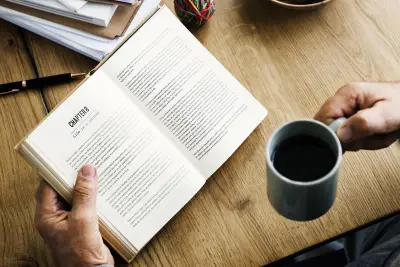
An open book on the table and a cup of coffee beside it: it is a scene many readers know well, at home as well as at the bar.
The two often go together because they ask for the same things: a moment of calm, a comfortable place and a little free time.
In Italy, coffee often marks the start of a break. When there is a book as well, that break tends to grow longer.
This is not a recent habit. In the historic cafés of Italian cities people read the newspapers, wrote and discussed literature long before espresso as we know it today existed.
Coffee has also found its way onto the page: into an eighteenth-century periodical, a comedy, a famous theatrical monologue and the title of a book.
In this guide we look at some of the best-known literary cafés and at a few Italian works in which coffee appears in the title or in a famous scene.
In the second part we see how to set up a reading corner at home with the cup within reach, which preparation can accompany a long read, and which coffee to choose at different times of day, evening included.
Literary cafés: when the bar was also a meeting place
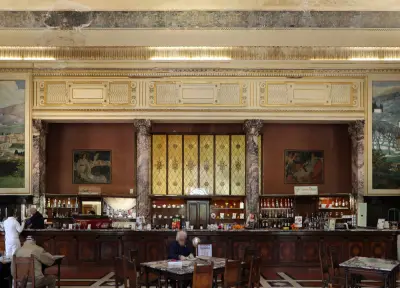
In many Italian cities there are historic cafés which, over time, became meeting places for writers, artists, journalists and students.
In these establishments people read the newspapers, wrote letters and articles, and discussed politics and literature. The cup of coffee was the excuse for staying seated a long while.
This is why we speak of literary cafés: they were frequented by those who wrote, those who read and those who published newspapers and magazines.
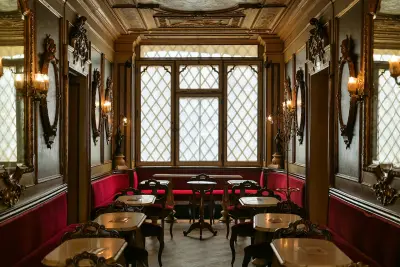
Some of these cafés still exist today and keep part of their original furnishings and atmosphere.
In Venice, Caffè Florian is one of the best-known historic cafés and is traditionally linked to writers and artists.
In Padua, Caffè Pedrocchi has been a meeting point for students and intellectuals for generations.
In Rome, the Antico Caffè Greco is traditionally associated with writers and artists, Italian and foreign.
In Naples, the Gran Caffè Gambrinus is linked to the literary and journalistic life of the city.
In Trieste, Caffè San Marco is remembered as a meeting place for writers and intellectuals.
In Florence, Caffè Giubbe Rosse was a point of reference for the literary magazines of the early twentieth century.
Many of these cafés are older than espresso as we know it today, which arrived later. We told the story of its birth in our article on the history of espresso coffee.
What has not changed is the role of the café: even today, in many cities, the bar remains a place to sit down with a newspaper or a book and stay a little longer.
Coffee on the page: theatre, periodicals and stories
Coffee was not only the backdrop to conversations between writers: in some cases it entered their works directly, starting with the title.
In the eighteenth century, in Milan, the Verri brothers founded a periodical called precisely Il Caffè.
Even then the coffee house was a place where people met to read and discuss.
From the same century comes La bottega del caffè, a comedy by Carlo Goldoni set, as the title says, around an establishment where coffee is served.
In the twentieth century, coffee is at the centre of one of the best-known monologues in Italian theatre: that of Eduardo De Filippo in Questi fantasmi!.
Coffee also appears in the title of a book by Luciano De Crescenzo, Il caffè sospeso, which takes its name from a Neapolitan tradition.
We talked about that tradition, and about other habits linked to the cup in Naples, in our article on Neapolitan coffee.
They are very different examples: a periodical, two plays and a book. In all of them, however, coffee is portrayed as part of everyday life.
For those who love reading, they can become a small themed reading list, to be enjoyed at leisure with a cup close by.
Reading with a cup: how to create your own corner
At home, too, it is possible to create a small reading corner with a few simple touches.
The first is the seat. An armchair, a sofa or a chair with a good back allow you to read for a long time in comfort.
Then there is the light. During the day the natural light from a window may be enough; in the evening a lamp that lights the page without dazzling is useful.
Another aspect is somewhere to put things: a small table or a shelf next to the seat, where the cup stays within reach without interrupting your reading.
The cup has its role too. Shape, material and thickness influence how the coffee keeps its temperature: we talked about it in our article on why the cup matters.
In our accessories and cups section you will find several options, to choose according to how you prefer to drink your coffee.
Which preparation to choose depends above all on how much time we intend to devote to reading:
Espresso, to be drunk in a few sips: it can be a good choice to begin with, or for a short pause between one chapter and the next.
Moka, which can make several cups at once: it can suit those who read in company, or those who prefer to pour themselves a second cup shortly after the first.
Large cup, with a caffè lungo or a filter coffee: it can be the answer for those who prefer to sip slowly, page after page.
There is no best choice for everyone: it depends on personal taste, on the machine we have at home and on the time available.
For the moka and the espresso machine, in our coffee beans and ground coffee section you will find several blends, to be matched with the grind suited to the method used.
Those who use a pod machine can turn to ESE 44 mm pods, which are practical when you want to make a cup without interrupting your reading for long.
One last detail, as at the bar: many readers keep a glass of water next to the cup as well.
Which coffee for which time of day
The time of day when we read can also guide the choice of coffee.
In the morning, for many people, coffee accompanies the newspaper or a few pages before the day's activities begin. An espresso or a cappuccino are among the most common choices.
The afternoon is often the most suitable time for a long read. A caffè lungo, a moka or a cup of filter coffee can accompany several chapters in a row.
In the evening things change, because caffeine may affect sleep and sensitivity to its effects varies greatly from person to person.
Those who notice that an evening coffee interferes with their rest can turn to a decaf.
It is important to remember that the decaffeination process greatly reduces caffeine, but does not remove it completely.
Another possibility is orzo, a drink that by nature contains no caffeine and has a long tradition in Italian homes.
An important warning: barley contains gluten and is not suitable for those who must exclude it from their diet.
Other capsule drinks, such as ginseng or hot chocolate, may on the other hand contain caffeine, so it is always advisable to read the label. We talked about this in our guide to ginseng, orzo and hot chocolate in capsules.
We looked at the relationship between caffeine and rest in our article on caffeine and sleep.
Here too there is no rule that applies to everyone: observing your own habits and reactions is the simplest way to work out which drink to choose in the evening. If sleep problems persist, your doctor remains the point of reference.
For those who read often, it may be useful to keep more than one option at home: a favourite coffee for the afternoon and a decaf or an orzo for the evening.
Coffee and books today: bookshops, reading groups and a book at the bar
The link between coffee and reading has not remained confined to the historic cafés: today it takes new forms, closer to everyday life.
Many bookshops have a café corner, where you can leaf through a book you have just bought or read a few pages at leisure.
Then there are reading groups, which in many cases meet in a bar or in a bookshop with a café to talk about the book chosen together.
Finally there is the simplest habit of all: taking a book to the bar, ordering a coffee and staying at the table for the length of a few chapters.
In all these cases the place, the time available and the company change, while the gesture of the cup stays the same.
At home, then, reading with coffee can become a small daily ritual: the same armchair, the same cup and the book left on the side table, ready for the next day.
In conclusion, coffee and books have kept each other company for centuries, from the tables of the historic cafés to the pages of periodicals, comedies and books, and on to the sofa at home. To bring a little of that atmosphere home, a comfortable seat, the right cup and the right coffee for the time of day are all it takes.
If you would like to put together a small selection of coffees for your reading moments, with a blend for the afternoon and an alternative for the evening, contact us: the Maracatú team is always happy to help you choose the products best suited to your taste and your machine.
Popular products
All products
More


 100 Capsules BORBONE Respresso RED Blend Nespresso Compatible
21,90 €


 100 Maracatú Coffee Capsules Gran Crema Uno System Compatible
19,90 €
 100 Capsules Maracatú Decaffeinated Uno System Compatible
23,90 €
 80 Maracatú Coffee Capsules Gran Crema Lavazza Blue In Black Compatible
18,90 €



More on this topic
More

Coffee Capsules Guide: How to Choose Your Perfect Taste
Read article


5 myths about capsule coffee
Read article
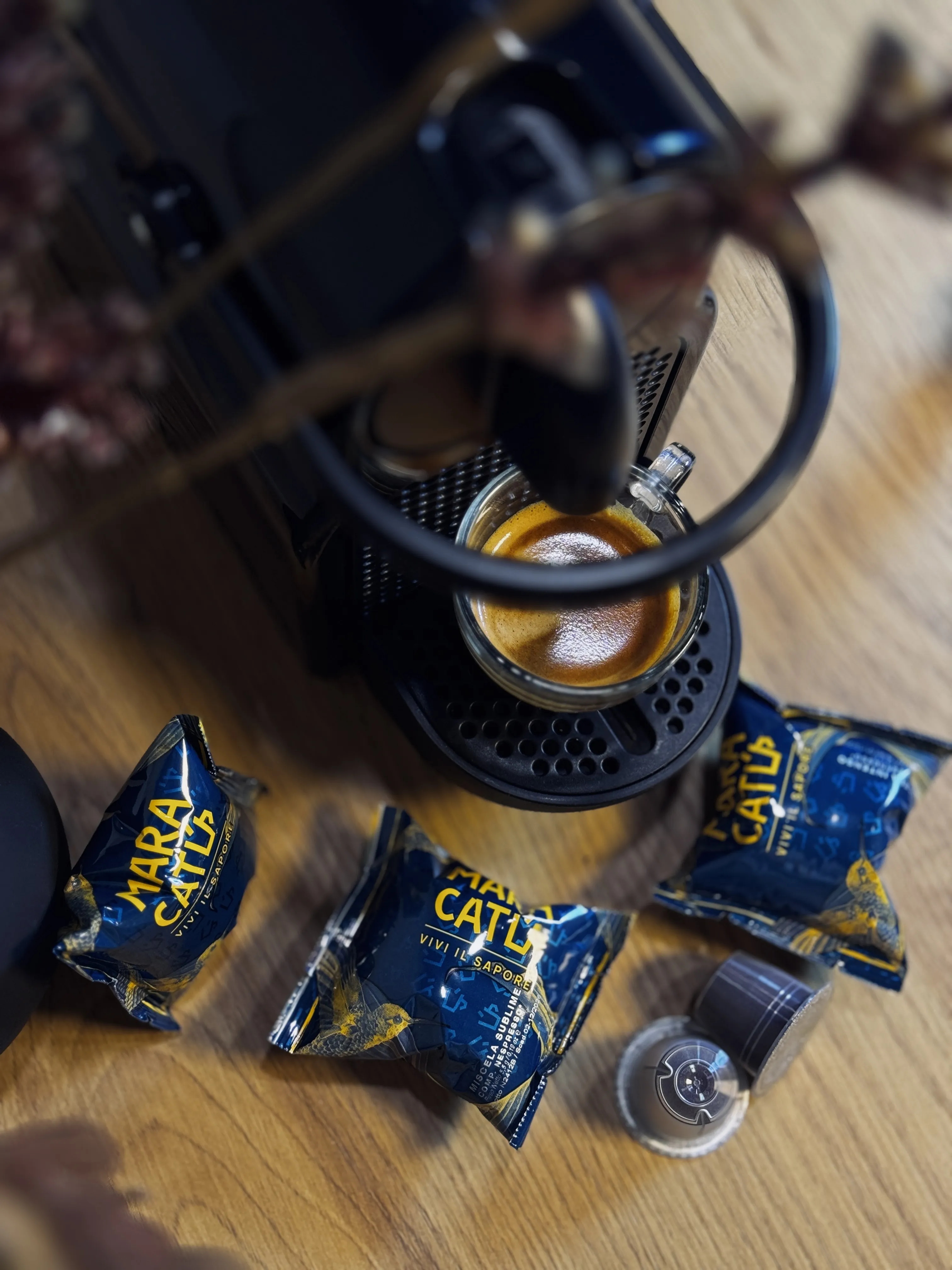
How to properly store coffee and coffee capsules: expert advice
Read article

Are you a reseller? Access the Maracatú B2B price list in just a few steps!
Read article
Capsule systems compared: Nespresso, Dolce Gusto, A Modo Mio, ESE and Caffitaly — which to choose
Read article

How to descale your coffee machine: a practical guide from over 15 years in coffee
Read article

Caffè Borbone: a guide to the Rossa, Nera, Blu, Oro and Dek blends
Read article
The coffee intensity scale: what the numbers on capsules really mean
Read article
The origins of coffee: myths, legends and the road to the Italian cup
Read article
Coffee roasting: the levels, and how each one changes the cup
Read article
Espresso: how the Italian classic was born
Read article
Water and the taste of coffee: the ingredient nobody talks about
Read article