






Water and the taste of coffee: the ingredient nobody talks about
Almost everything in the cup is water
When a coffee disappoints, we change the blend. Then the grind. Then we start thinking about the machine.
Water usually comes last on that list, even though it is more than ninety per cent of what ends up in the cup. It is the ingredient we buy least often and assess almost never.
In our experience, when two people brew the same coffee on the same machine and get different results, the difference very often sits in the tap.
Too hard, too pure, too chlorinated
The minerals dissolved in water are not a flaw. They are what bind aromatic compounds and carry them into the cup. Completely demineralised water, like distilled water, gives a coffee that tastes oddly hollow and flat.
The problem is excess. Very hard water dampens acidity, flattens aromas and leaves a chalky feel in the mouth. It also deposits scale everywhere it can.
Then there is chlorine, normal and useful in mains water but noticeable in coffee. Leaving water to stand uncovered for a few hours, or using a filter jug, is enough for the smell to go.
There is no need to chase a precise figure. What matters is avoiding both extremes.
Limescale works quietly
The trouble with limescale is that nothing breaks suddenly. It settles on heating elements and inside pipes, insulates, and the machine slowly stops reaching the temperature it should.
The coffee gets slightly worse from one week to the next. Nobody notices, because the comparison is always with yesterday's cup.
The warning usually arrives late: the flow slows, the crema turns paler and thinner, the machine gets noisy. By then the deposit is already substantial.
This is why we suggest descaling by the calendar rather than by symptom. Where the water is harder it is worth doing more often, and a filter cuts the frequency considerably.
What to do in practice
The simplest test costs nothing. Brew the same coffee twice, once with tap water and once with a lightly mineralised bottled water. If you can taste the difference, you already know where to start.
Then consider a filter, which is the most convenient answer because it works on its own and protects the machine as well. Our descalers and filters section covers both filters and the products for periodic cleaning.
One last thing that applies to everyone: use fresh water, not what has been sitting in the tank for days. Standing water loses oxygen, and coffee shows it.
If you are not sure what your machine needs, contact us. The Maracatú team will gladly point you in the right direction.
Image: espresso crema, HSwaff, CC BY-SA 4.0 (Wikimedia Commons).
Popular products
All products
More


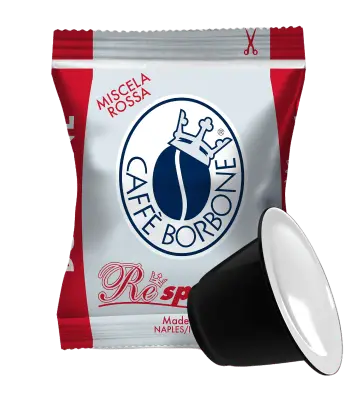 100 Capsules BORBONE Respresso RED Blend Nespresso Compatible
21,90 €


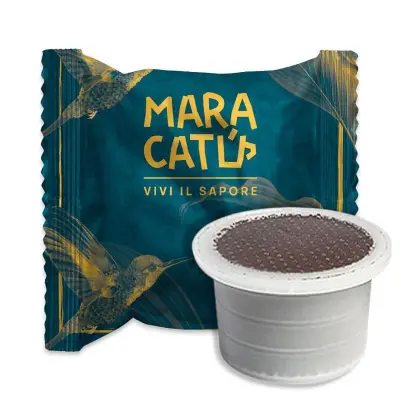 100 Maracatú Coffee Capsules Gran Crema Uno System Compatible
19,90 €
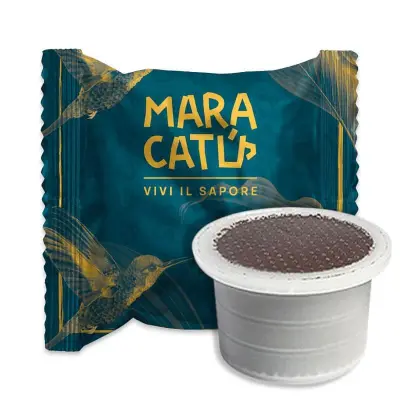 100 Capsules Maracatú Decaffeinated Uno System Compatible
23,90 €
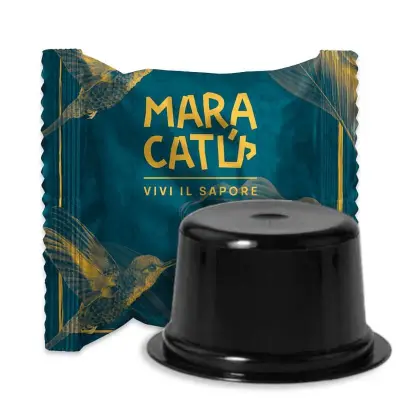 80 Maracatú Coffee Capsules Gran Crema Lavazza Blue In Black Compatible
18,90 €

More on this topic
More

Coffee Capsules Guide: How to Choose Your Perfect Taste
Read article


5 myths about capsule coffee
Read article
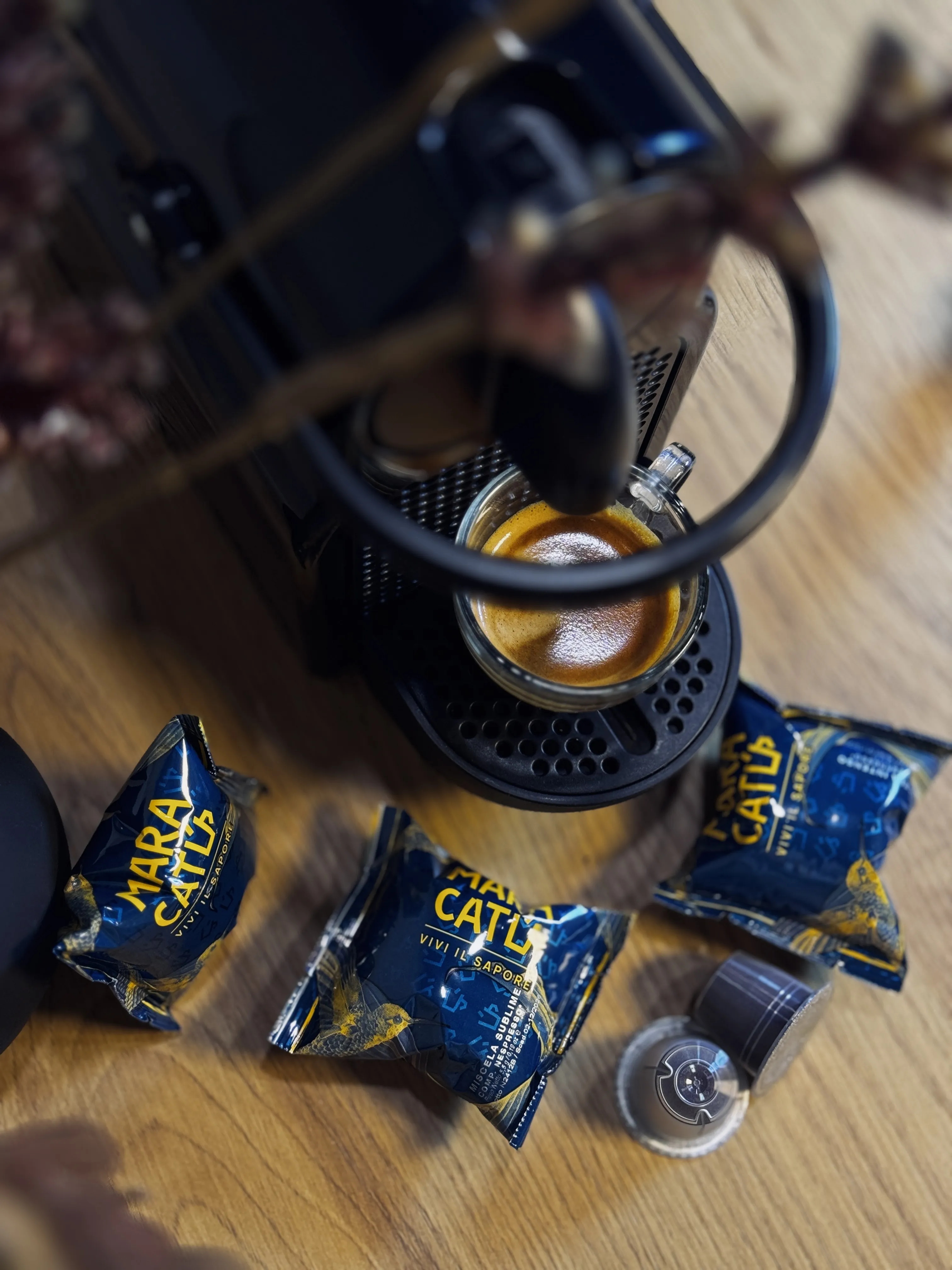
How to properly store coffee and coffee capsules: expert advice
Read article

Are you a reseller? Access the Maracatú B2B price list in just a few steps!
Read article

Capsule systems compared: Nespresso, Dolce Gusto, A Modo Mio, ESE and Caffitaly — which to choose
Read article

How to descale your coffee machine: a practical guide from over 15 years in coffee
Read article
Caffè Borbone: a guide to the Rossa, Nera, Blu, Oro and Dek blends
Read article

The coffee intensity scale: what the numbers on capsules really mean
Read article

The origins of coffee: myths, legends and the road to the Italian cup
Read article
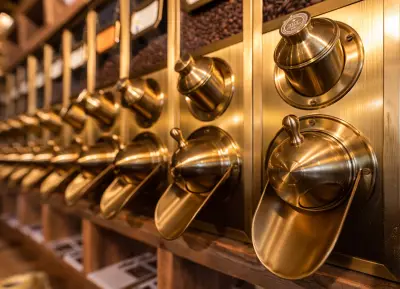
Coffee roasting: the levels, and how each one changes the cup
Read article
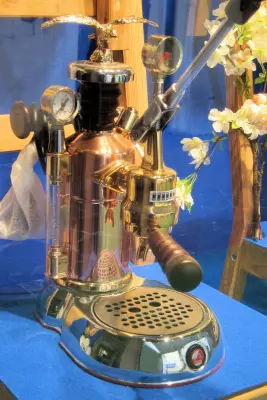
Espresso: how the Italian classic was born
Read article
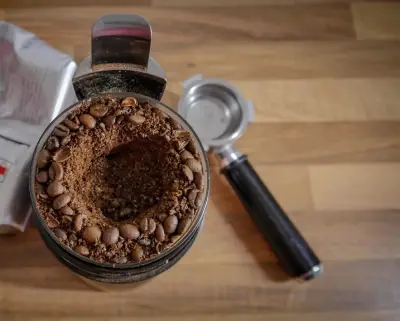
Coffee grind size: how to choose the right one
Read article