





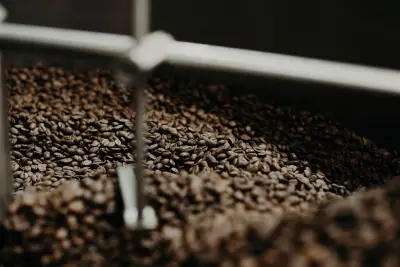
The coffee supply chain: from grower to cup
The journey of coffee, from plant to cup
We have been working with coffee for over fifteen years, and one of the questions we receive most often concerns its origin. In reality, the country of origin is only one of the many elements that determine what we find in the cup.
The journey includes several stages: growing, harvesting, processing of the fruit, selection, transport, roasting and packaging. Each step contributes to the final quality and can enhance, or compromise, the work done in the previous stages.
Coffee is an agricultural product and, just as with other products of the land, harvests and characteristics can vary with the production area, the season and the climate. Several months can pass between the harvest and the arrival of green coffee in Europe.
The green bean, if stored in the right conditions, keeps its characteristics for a long time. After roasting, however, coffee progressively starts to lose part of its aromas, which is why packaging and storage become fundamental.
Origin therefore remains an important piece of information, but it is only one of many that help us understand what ends up in the cup. On the origins of coffee and the stories around them we have also written a dedicated article.
Harvest and processing: where the taste is born
The bean we know is actually the seed contained inside the fruit of the coffee plant, commonly called the coffee cherry. To obtain the green bean it must be separated from the pulp and the mucilage, and the method used at this stage significantly influences the final aromatic profile.
In the washed method, after harvesting the pulp is removed and the coffee goes through a process that eliminates the mucilage before drying. This generally produces coffees with a cleaner profile, more evident acidity and well-defined aromas.
In the natural method, the fruit is left to dry whole before the seed is separated from the pulp. This process tends to give the coffee more sweetness, body and fruity notes.
There are also intermediate processes, such as the honey method, in which part of the mucilage is left on the bean during drying. These are not quality differences in an absolute sense, but processing techniques capable of giving the final product different characteristics.
Harvesting also plays an important role. Selective picking makes it possible to choose mainly the fruit that has reached the right degree of ripeness, while other systems harvest fruit at different stages of ripeness at the same time, making later selection necessary.
The quality of the raw material is therefore born on the plantation, long before the coffee reaches our machine.
The journey and the Italian roast
Once processed and dried, green coffee is prepared for transport. It can travel in traditional jute sacks or in packaging with protective barriers, used above all to shield it from humidity and external conditions.
During the journey proper storage is fundamental: humidity, unsuitable temperatures and poor warehousing can compromise the quality of the product.
Once it arrives at the roastery, one of the most important stages begins: roasting.
The Italian espresso tradition is generally associated with medium-dark or dark roast profiles, designed to bring out body, intensity and roasted notes in the classic cup of espresso.
There is, however, no roast level that is best in absolute terms. A darker roast tends to reduce the perception of acidity and to develop notes of cocoa, nuts and roast; a lighter roast tends to better preserve the aromatic characteristics tied to the coffee's origin.
Many of the differences between blends derive from here. A larger share of Robusta generally contributes more body, crema and intensity, while a blend dominated by Arabica tends to offer a more aromatic, delicate profile.
To explore the differences between roast levels we have prepared a dedicated guide.
Capsules and pods: the role of packaging
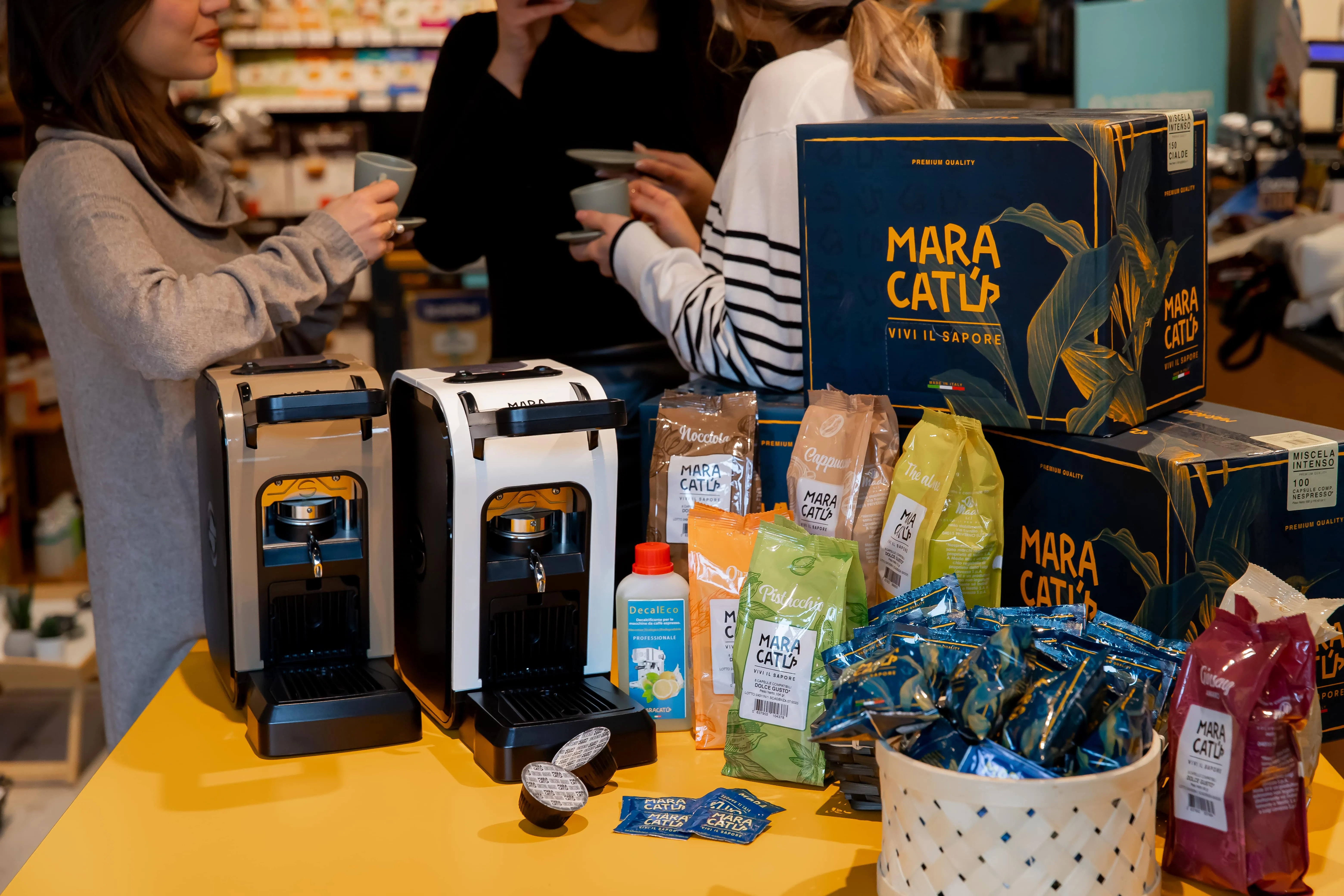
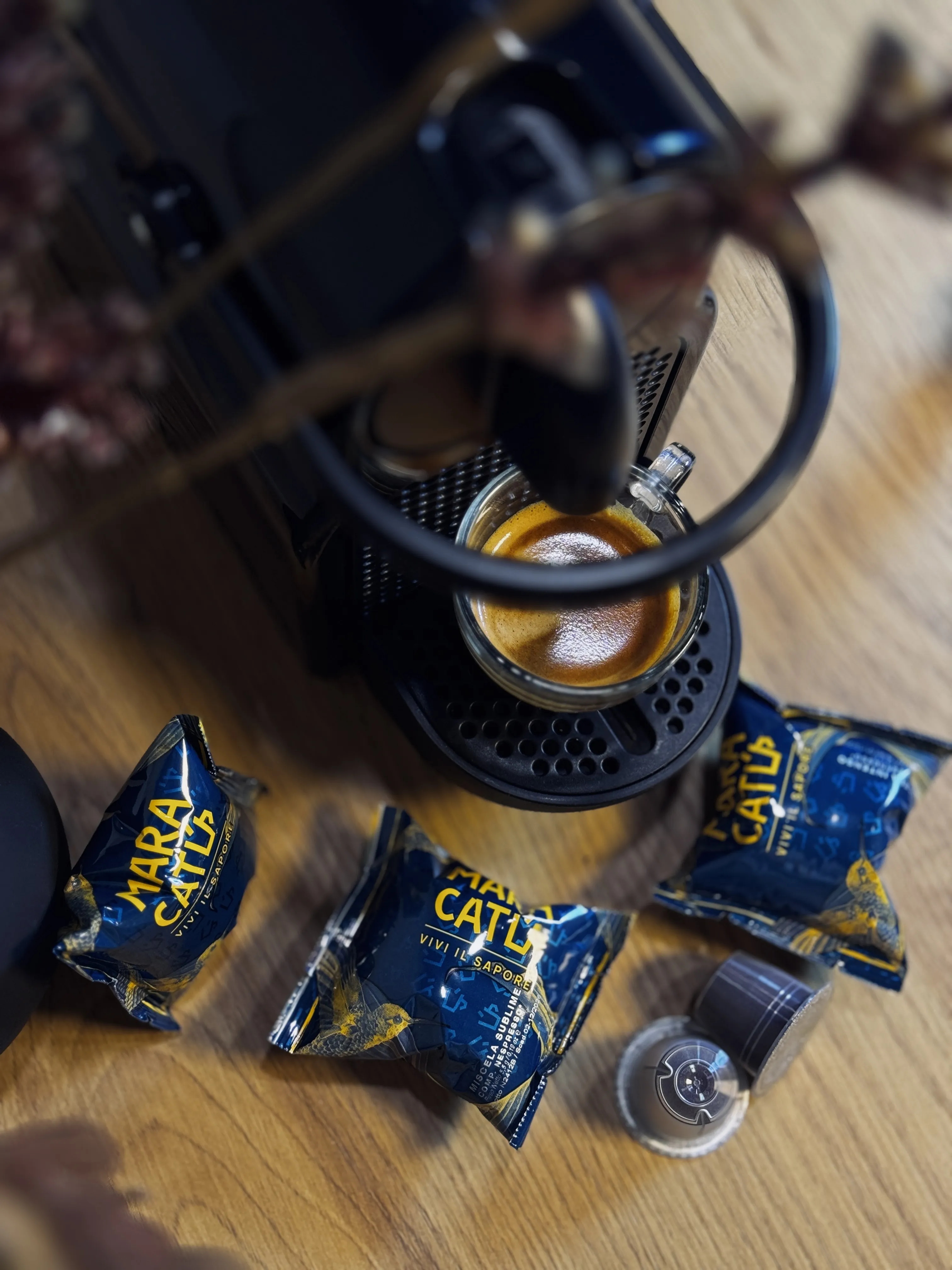
With capsules and pods, packaging takes on particular importance, because the coffee is ground before being packed and must therefore be protected as much as possible from contact with oxygen, light and humidity.
Capsules can be packed using protective systems and atmospheres designed to limit oxidation and preserve the aromatic characteristics of the coffee for longer. It is one of the reasons why a properly stored capsule keeps its characteristics much longer than an already opened pack of ground coffee.
ESE 44 mm pods are also individually wrapped to protect the coffee until the moment of use. In addition, many pods made of compostable materials are available on the market today, an interesting solution also from the point of view of waste management.
In our assortment of beans and ground coffee we pay particular attention to the freshness and correct storage of the product.
What the buyer can check
The consumer only sees the final part of a very long chain, but some information on the pack can help choose and store coffee better.
One of these is the roast date, when indicated by the producer, which gives a better picture of the product's history. It should be read together with the best-before date and the instructions on the pack.
Another interesting element, especially on bags of coffee beans, is the degassing valve. This small device allows the carbon dioxide naturally released by coffee after roasting to leave the pack, while limiting the entry of air from outside.
Finally, the purchase format also matters. Especially for beans and ground coffee, choosing a quantity suited to your consumption habits prevents the product from staying open too long and progressively losing part of its aromas.
On how to store it correctly we have collected practical advice in our storage guide.
How different harvests can influence coffee
Green coffee is an agricultural raw material and, as such, it feels the effects of climate and of how harvests go.
Frosts, periods of drought, excessive rain or other events in the main producing areas can influence the quantity, quality and prices of coffee. The effects along the chain, however, are not necessarily immediate, because time passes between production, transport, stocks and roasting.
One of the goals of a roastery's work is precisely to keep the profile of its blends as constant as possible over time. When the characteristics of a given origin change, the composition and selection of raw materials can be adapted to preserve the aromatic profile that identifies that blend.
This is also why a blend can keep a recognisable character over time, while a single-origin coffee can show more evident variations from one harvest to the next.
If you would like to understand which blend best suits your habits, contact us: the Maracatú team is always available to suggest a few references to try.
Popular products
All products
More


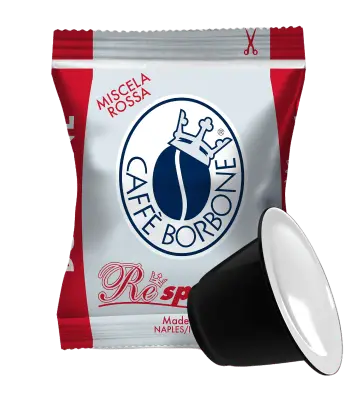 100 Capsules BORBONE Respresso RED Blend Nespresso Compatible
21,90 €


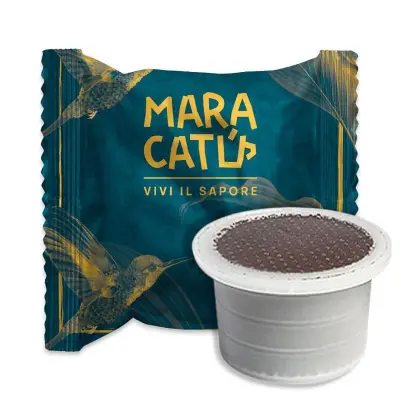 100 Maracatú Coffee Capsules Gran Crema Uno System Compatible
19,90 €
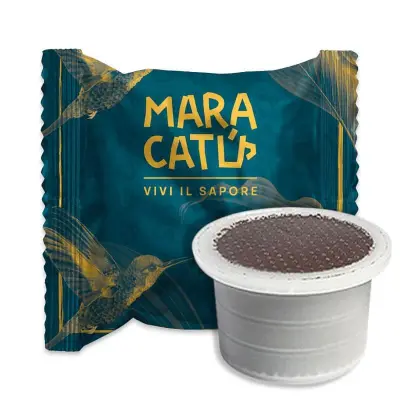 100 Capsules Maracatú Decaffeinated Uno System Compatible
23,90 €
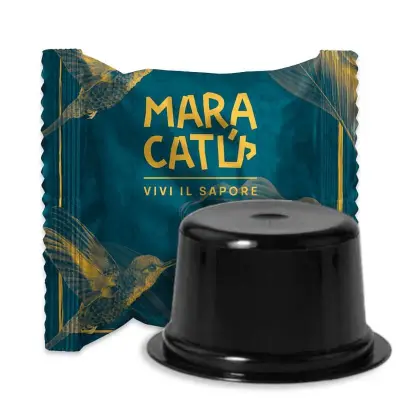 80 Maracatú Coffee Capsules Gran Crema Lavazza Blue In Black Compatible
18,90 €
More on this topic
More

Coffee Capsules Guide: How to Choose Your Perfect Taste
Read article

5 myths about capsule coffee
Read article
How to properly store coffee and coffee capsules: expert advice
Read article

Are you a reseller? Access the Maracatú B2B price list in just a few steps!
Read article

Capsule systems compared: Nespresso, Dolce Gusto, A Modo Mio, ESE and Caffitaly — which to choose
Read article
How to descale your coffee machine: a practical guide from over 15 years in coffee
Read article
Caffè Borbone: a guide to the Rossa, Nera, Blu, Oro and Dek blends
Read article
The coffee intensity scale: what the numbers on capsules really mean
Read article

The origins of coffee: myths, legends and the road to the Italian cup
Read article
Coffee roasting: the levels, and how each one changes the cup
Read article
Espresso: how the Italian classic was born
Read article

Water and the taste of coffee: the ingredient nobody talks about
Read article