





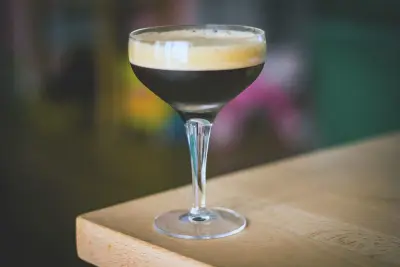
Coffee in cocktails: Espresso Martini and Italian classics
Why coffee changes a cocktail
We have been working with coffee for over fifteen years, and we know it is not only the star of the morning cup: it can also be an excellent ingredient for after-dinner drinks and cocktails.
Coffee brings very particular characteristics to the glass: bitterness, acidity, roasted aromas and a structure that can accompany spirits and liqueurs without losing its own identity.
One of the most common mistakes is using an espresso that is too hot. In contact with ice it increases the dilution of the drink and can compromise its balance.
The solution is to pull the espresso fresh and let it cool slightly before use or, when necessary, to prepare it in advance and keep it refrigerated for a few hours.
On coffee served cold we have already written a dedicated guide: some of its advice on chilling is useful in cocktail making as well.
The Espresso Martini, done properly
It is probably the best-known coffee cocktail in the world. Born in London in the 1980s, it rests on the balance between vodka, coffee liqueur and espresso.
The proportions can vary with the recipe and with personal taste. A good starting point is to use vodka, coffee liqueur and espresso in balanced amounts, adjusting the sweetness if needed with a small quantity of sugar syrup.
One of the signature elements of the Espresso Martini is its surface foam. To obtain it, it is important to use a good espresso and to shake the ingredients energetically with plenty of ice.
The choice of blend makes a difference too. A full-bodied, aromatic coffee with a medium-dark roast generally keeps its character better at low temperatures and alongside the other ingredients.
In our beans and ground coffee you can find several blends suited to this kind of preparation as well.
Another important aspect is the extraction. An excessively long espresso adds more water to the cocktail and risks diluting it even before the shake: a short, concentrated extraction is preferable.
The Italian recipes: shakerato, corretto and affogato
Long before the Espresso Martini spread around the world, Italy already had several ways of using coffee together with other ingredients, some of which are very simple to reproduce at home.
Caffè shakerato is made with an espresso, generally sweetened, shaken energetically with ice until it reaches a cool, creamy consistency. In its classic version it is non-alcoholic, but it can be enriched with a small amount of liqueur to turn it into a pleasant end to a meal.
Caffè corretto is even simpler: an espresso accompanied by a small measure of grappa, sambuca, brandy or another spirit. More than a true cocktail, it is an Italian tradition in which the quality of the coffee and of the spirit makes the difference.
The affogato al caffè combines ice cream, usually vanilla or crema, with an espresso poured over it at the moment. If you like, it can be finished with a small amount of liqueur.
To explore possible pairings for the corretto and the affogato you can also take a look at our selection of liqueurs, spirits and sparkling wines.
Which coffee to use and with which system
To prepare a good coffee cocktail a professional machine is not strictly indispensable. What matters is obtaining a concentrated, aromatic coffee suited to the recipe we want to make.
With the Nespresso® and Lavazza A Modo Mio® systems, for example, we can lean towards capsules with a more intense, full-bodied profile: at low temperatures and alongside the other ingredients, a coffee that is too delicate risks being less perceptible.
ESE 44 mm pods can also be used with excellent results, especially for preparations such as the caffè shakerato.
Coffee made with the moka pot can in turn be an excellent choice for the affogato, while for an Espresso Martini with a creamier consistency it is preferable to use an espresso, which offers greater concentration and a different structure.
If you would like to understand better what the numbers on the packs mean, we have dedicated a guide to the intensity scale to exactly this subject.
A final note on proportions: in a caffè corretto the liqueur should accompany the coffee without completely covering its taste and aroma. It is better to start with a small amount and then adapt it to your preferences.
The minimum kit and what you can do without
To prepare the drinks in this guide only a few tools are needed: a shaker, a strainer, a well-chilled glass and a good quantity of ice.
Ice is one of the most underestimated elements. Small or partially melted cubes quickly increase the dilution of the cocktail; it is therefore preferable to use compact ice taken straight from the freezer.
The temperature of the glass also contributes to the final result. Chilling it before serving helps keep the cocktail at the right temperature for longer and preserves its consistency better.
In our accessories and cups section you can find several products to complete your coffee break.
If you are unsure which blend suits a particular preparation, contact us: the Maracatú team is always available to recommend the most suitable solution.
Decaffeinated coffee can also be a good alternative for an affogato or a late-evening cocktail, when you want to keep the taste of coffee while limiting caffeine intake.
Three mistakes that can ruin a coffee drink
The first is not straining the cocktail properly after shaking it. The small fragments of ice left in the glass keep melting and can quickly alter the balance of the drink.
The second is choosing a coffee poorly suited to the preparation. A very delicate or particularly acidic profile can be less balanced alongside certain liqueurs. That is why, in cocktails, we generally prefer fuller-bodied, more structured blends.
The third is using coffee made too long ago. As the hours pass, espresso progressively loses part of its aromatic character and its ability to build the typical consistency of the Espresso Martini. Whenever possible, it is always preferable to prepare it shortly before use.
For more on storage we have collected practical advice in our guide to storing coffee.
Popular products
All products
More


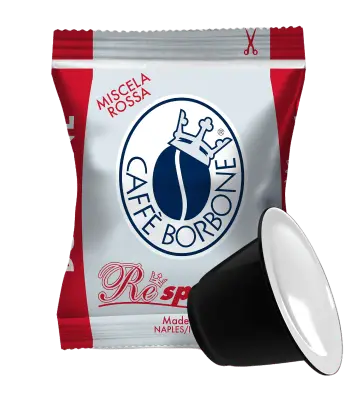 100 Capsules BORBONE Respresso RED Blend Nespresso Compatible
21,90 €


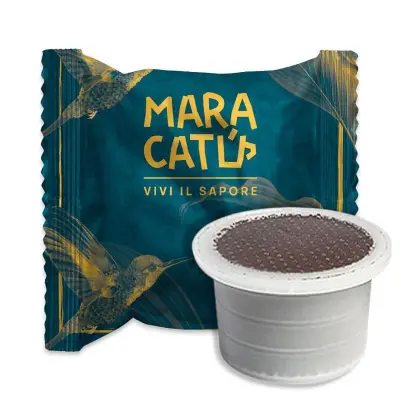 100 Maracatú Coffee Capsules Gran Crema Uno System Compatible
19,90 €
 100 Capsules Maracatú Decaffeinated Uno System Compatible
23,90 €
 80 Maracatú Coffee Capsules Gran Crema Lavazza Blue In Black Compatible
18,90 €

More on this topic
More

Coffee Capsules Guide: How to Choose Your Perfect Taste
Read article


5 myths about capsule coffee
Read article
How to properly store coffee and coffee capsules: expert advice
Read article

Are you a reseller? Access the Maracatú B2B price list in just a few steps!
Read article
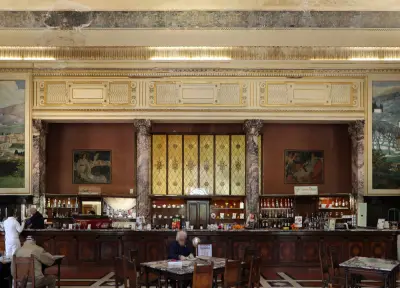
Capsule systems compared: Nespresso, Dolce Gusto, A Modo Mio, ESE and Caffitaly — which to choose
Read article

How to descale your coffee machine: a practical guide from over 15 years in coffee
Read article
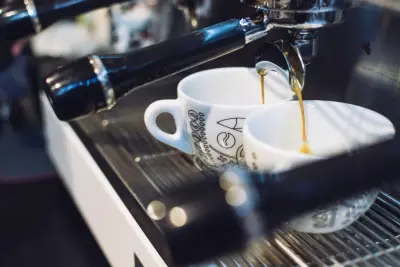
Caffè Borbone: a guide to the Rossa, Nera, Blu, Oro and Dek blends
Read article

The coffee intensity scale: what the numbers on capsules really mean
Read article

The origins of coffee: myths, legends and the road to the Italian cup
Read article
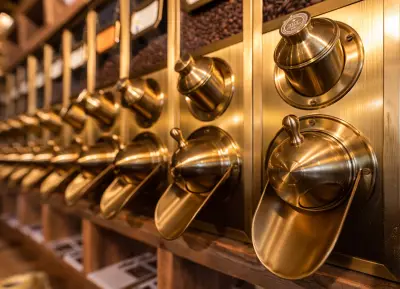
Coffee roasting: the levels, and how each one changes the cup
Read article
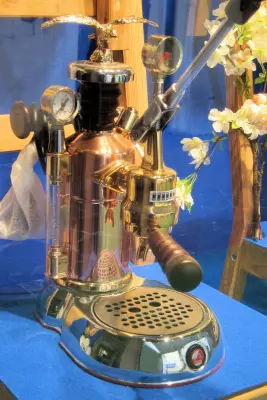
Espresso: how the Italian classic was born
Read article

Water and the taste of coffee: the ingredient nobody talks about
Read article