





Coffee at Christmas: Italian holiday traditions from Christmas Eve to Epiphany
From Christmas Eve to Epiphany: the coffee calendar
Over the festive season the cup changes its role: it becomes the moment when the table goes quiet and the family stays seated to talk.
The Italian calendar is long: the Christmas Eve dinner, in many families built around fish, Christmas lunch, St Stephen's Day with the leftovers warmed up, then New Year's Eve and, to close, Epiphany and the Befana. On each of these days coffee arrives at a different moment and with a different job.
Christmas morning is perhaps the most recognisable. Before the kitchen fills with pans, the moka is often the first thing to go on the stove. Born in the 1930s, in aluminium with eight sides, it remains the symbol of home-made coffee.
For that coffee use a grind made for the stovetop pot, a little coarser than for espresso. In our Bialetti range you will find both the moka pots and the ground blends for moka, in classic, intense and decaffeinated versions.
Coffee after Christmas lunch and the ammazzacaffè
Christmas lunch in Italy is long by definition: starters, a pasta course, often a main, then dessert.
That is exactly why the end-of-lunch coffee is almost always a short espresso, without milk: a clean, decisive cup that closes the meal, not a drink that prolongs it. A blend with a good share of robusta and a dense crema holds up well even after panettone.
Then comes the ammazzacaffè, a thoroughly Italian habit: a small glass of liqueur or spirit served after the coffee, closing the sequence of dessert, espresso, digestif. The name literally means "coffee killer": its job is to put out the taste of the coffee and mark the end of the meal. In the north it is often a grappa, in the south a limoncello, elsewhere a herbal amaro.
Caffè corretto is a different thing: here the small amount of grappa, sambuca or brandy goes straight into the cup. We covered it in our guide to coffee in cocktails. A few ideas for that after-lunch glass are in our selection of liqueurs, spirits and sparkling wines, from grappa to Liquore Strega from Benevento. In both cases the measure is small: it should accompany the coffee, not replace it.
Panettone and pandoro: how to pair them with coffee
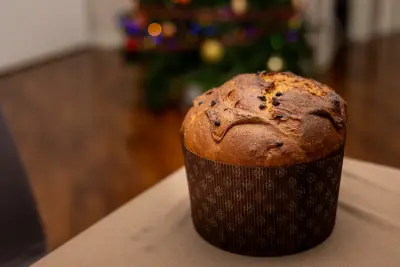
Panettone was born in Milan: a long-leavened dough rich in butter, with raisins and candied citrus peel. Pandoro comes from Verona, where it was patented at the end of the nineteenth century: an eight-pointed star, a soft crumb with no candied fruit and a cloud of icing sugar on top.
Two different cakes ask for two different coffees. Classic panettone already carries plenty of aroma of its own: a balanced, medium-roast espresso accompanies it without covering it. Pandoro is more neutral and buttery: here a coffee with more body and a touch more intensity gives the right contrast. At breakfast, with milk, pandoro and cappuccino are a classic that needs no explanation.
For the filled versions, with chocolate, pistachio or creams, we suggest a short espresso without sugar: the dessert is already generous and a bitter coffee acts as the counterweight. We wrote a separate post on the balance between sweetness and bitterness, coffee and sugar, and it applies to the Christmas table too.
In our panettone and artisan products section you will find the Sicilian school of Fiasconaro, with sourdough starter, citrus, pistachio and Modica chocolate, and the Piedmontese school of Galup, with its hazelnut glaze, as well as panettone and pandoro filled with Liquore Strega cream.
Torrone, brittle and the other festive sweets
Alongside the leavened cakes, the Italian Christmas table almost always has torrone, the nougat, one of the oldest festive sweets in Italy: Cremona ties it to a fifteenth-century wedding banquet, Benevento claims an even longer tradition, and Sicily has its own soft version with almonds and pistachios.
With coffee, torrone needs attention. Honey, sugar and nuts form a compact block of sweetness in which a delicate coffee disappears. Better an espresso with body and a slightly darker roast, or a well-brewed moka coffee, which has less crema but more length in the mouth.
Among the sweets we offer for the holidays is the confectionery of Strega Alberti, the Benevento house that has produced Liquore Strega since 1860: soft torrone, coffee and chocolate brittle, torroncini and pralines. A practical tip: put just one sweet next to the coffee at a time. Panettone, torrone and chocolates all together on the same plate confuse the palate, and the coffee stops having a role.
Coffee for a crowd: a big moka, ESE pods and capsules
The real problem of the holidays is serving ten or twelve coffees at once, hot, without staying in the kitchen while everyone else talks.
The traditional answer is a large moka. A six-cup pot or bigger covers a round of the table in one go. Fill the basket without tamping, keep the flame low and take it off the heat as soon as it starts to gurgle: a moka that bubbles for a long time gives a burnt coffee.
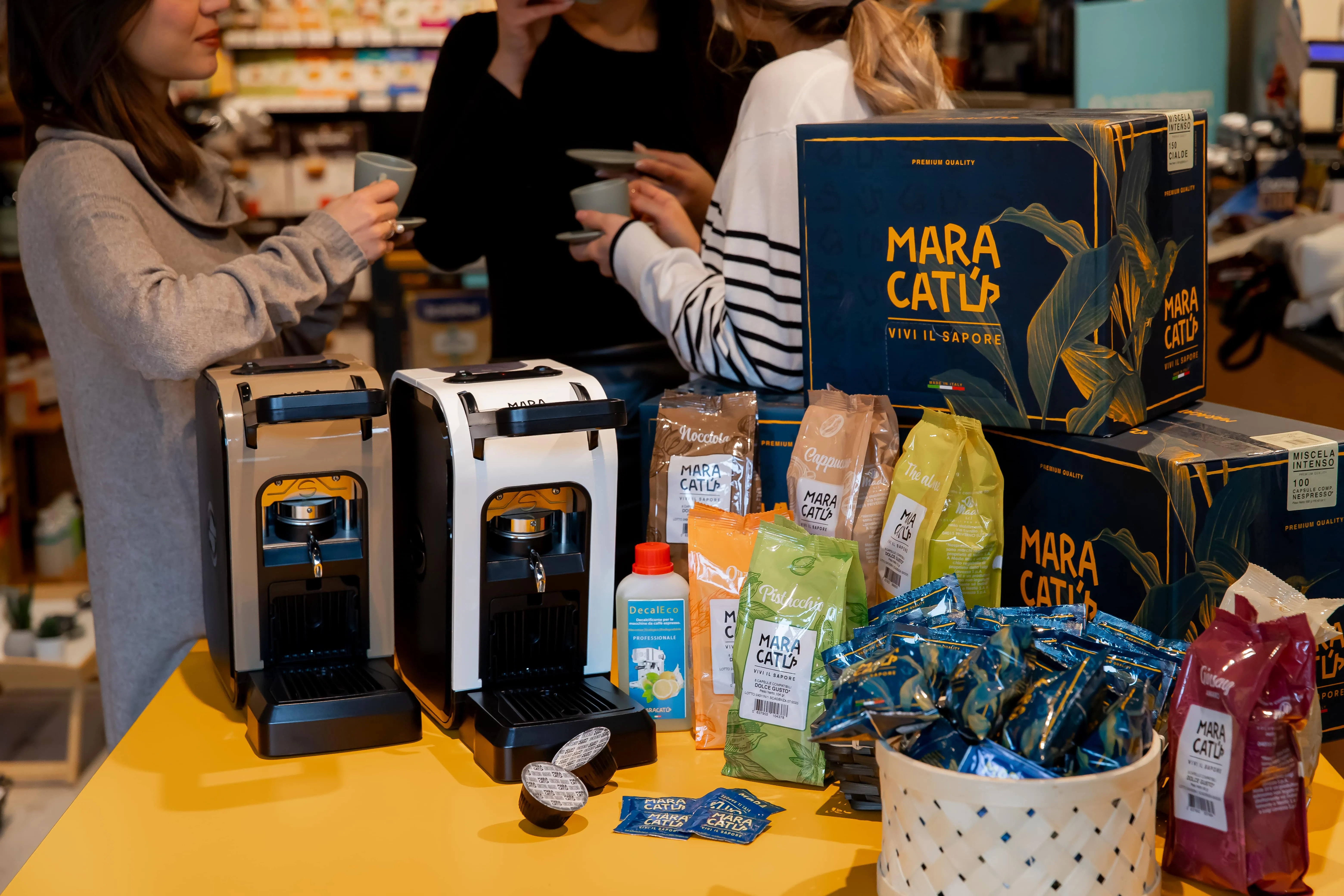
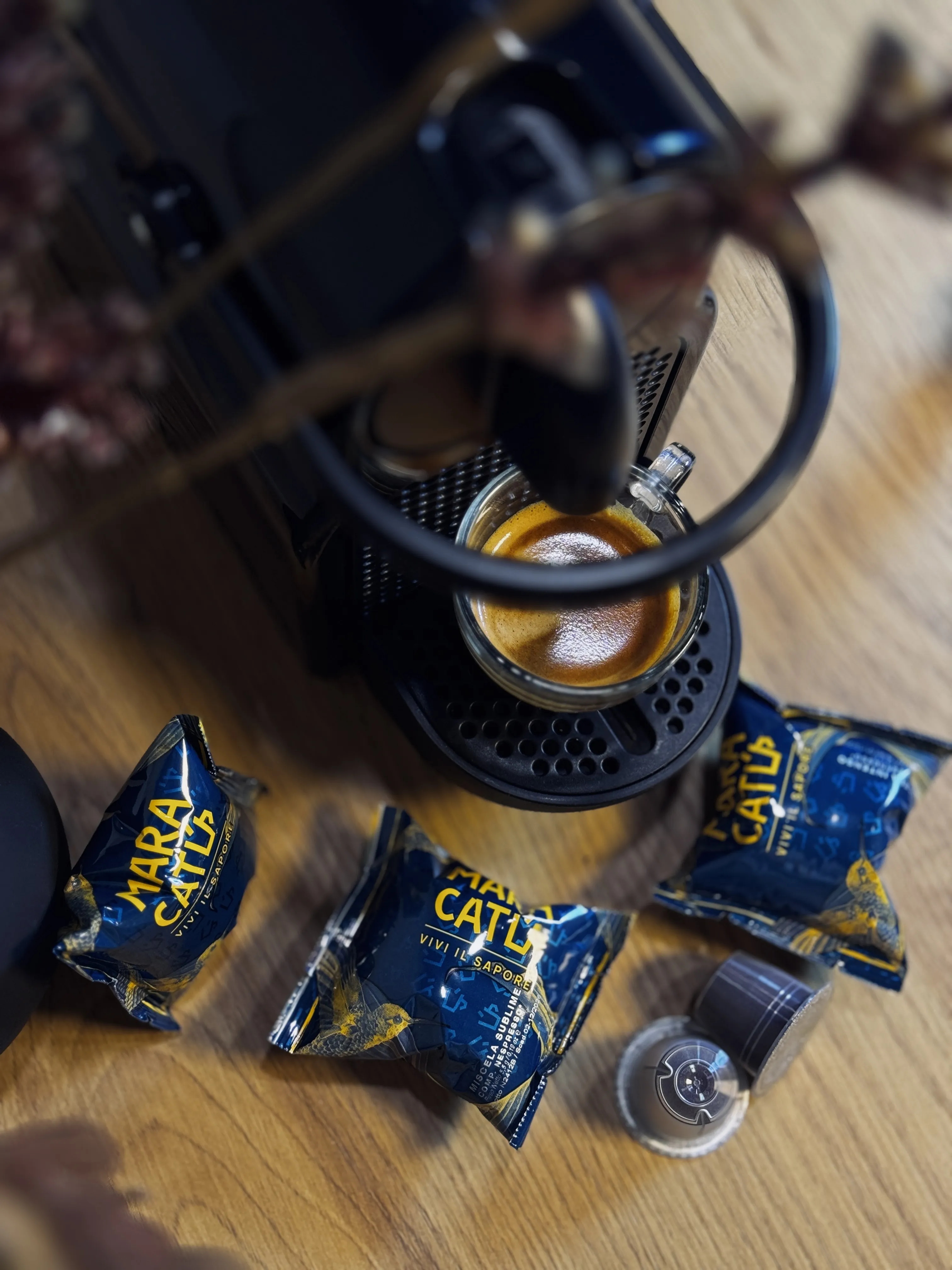
Anyone with a pod machine has an advantage. ESE 44 mm pods are brewed one after another, and the large boxes cover the whole holiday period. With capsules the strong point is variety: a decaf for those who drink coffee at eleven at night, barley or ginseng for those who do not want coffee, the intense blend for those who always take it ristretto.
Then there are the cups. A cold cup immediately lowers the temperature of the espresso: before serving, run them under hot water or leave them on top of the machine. A tray, saucers and a glass of water alongside complete the service as at the bar.
St Stephen's Day, New Year's Eve and Epiphany: the days after
On 26 December coffee goes back to breakfast duty. Leftover panettone, sliced and warmed for a minute in a pan or the toaster, with a cappuccino beside it, is one of the small rituals of St Stephen's Day that deserve to survive.
On New Year's Eve the coffee comes late, after midnight, when the dinner is over and the evening carries on. At that point many prefer a decaffeinato, which today tastes very close to regular coffee.
On 6 January the Befana fills the stockings with sweets and sugar coal, and the proverb says that Epiphany takes all the holidays away with it. It is the last day on which coffee is taken slowly, with the leftover torroncini, before the moka returns to the normal rhythm of the week.
If you are unsure which blend to choose for your Christmas lunch or which format is most practical for many guests, contact us: the Maracatú team is happy to advise.
Popular products
All products
More


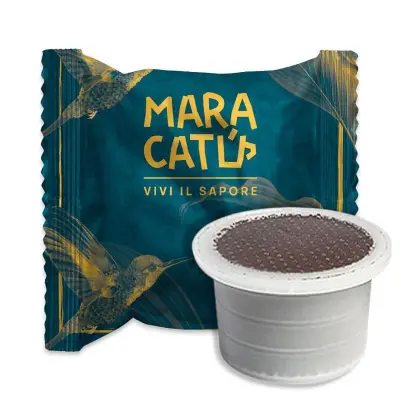 100 Maracatú Coffee Capsules Gran Crema Uno System Compatible
19,90 €


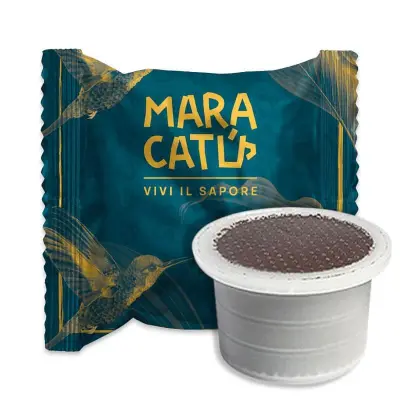 100 Capsules Maracatú Decaffeinated Uno System Compatible
23,90 €
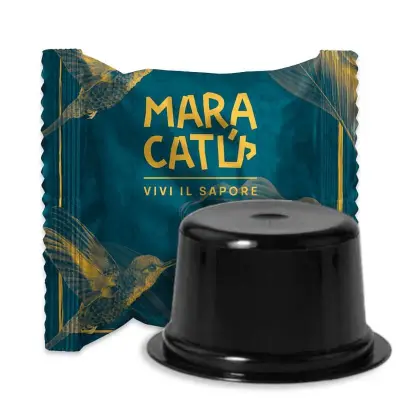 80 Maracatú Coffee Capsules Gran Crema Lavazza Blue In Black Compatible
18,90 €
More on this topic
More
Coffee Capsules Guide: How to Choose Your Perfect Taste
Read article

5 myths about capsule coffee
Read article
How to properly store coffee and coffee capsules: expert advice
Read article
Are you a reseller? Access the Maracatú B2B price list in just a few steps!
Read article
Capsule systems compared: Nespresso, Dolce Gusto, A Modo Mio, ESE and Caffitaly — which to choose
Read article
How to descale your coffee machine: a practical guide from over 15 years in coffee
Read article
Caffè Borbone: a guide to the Rossa, Nera, Blu, Oro and Dek blends
Read article
The coffee intensity scale: what the numbers on capsules really mean
Read article
The origins of coffee: myths, legends and the road to the Italian cup
Read article
Coffee roasting: the levels, and how each one changes the cup
Read article
Espresso: how the Italian classic was born
Read article
Water and the taste of coffee: the ingredient nobody talks about
Read article