





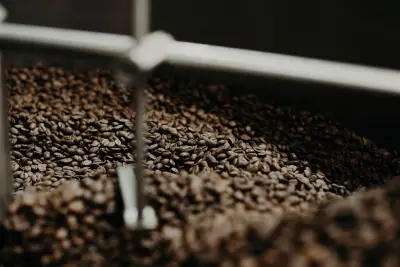
The coffee supply chain: from grower to cup
Six stages between the plant and the cup
We have been buying coffee for over fifteen years, and the question we hear most often is about origin. In truth the country is only the first of six stages, and not the one that weighs most in the cup.
The route is always the same: growing, harvest, processing of the fruit, export, roasting, packing. Every stage can improve or undo what the previous one built.
The plant fruits once or twice a year, so coffee is a seasonal product like grapes. Several months normally pass between harvest and arrival in Europe.
Green beans, stored properly, stay stable for a long time. It is after roasting that the clock starts running: from then on weeks matter, not years.
That is the practical reason we insist on the roast date rather than the provenance. On origins and their legends we have written a separate article.
Harvest and processing: where the flavour starts
The bean we know is the seed of a red fruit, the cherry. Reaching the seed means removing pulp and mucilage, and how that is done shapes the aroma profile more than most people expect.
In the washed method the pulp is removed at once with water, giving a cleaner, more acidic cup. In the natural method the fruit dries whole around the seed, and the coffee comes out sweeter and fuller.
There are middle routes, such as honey processing, where part of the mucilage stays on the bean during drying. These are producer choices, not defects.
Harvest matters too. Hand picking takes only ripe cherries; mechanical harvesting takes everything it meets, unripe fruit included, which brings green, astringent notes to the cup.
No roast recovers fruit picked before its time. This is the first point where quality is decided, thousands of kilometres from your machine.
The voyage and the Italian roast
Green coffee travels in jute sacks or vacuum bags inside containers. The enemy is not time but moisture: a wet load arrives compromised and nothing can undo it.
In Italy the bean meets the roast that made espresso recognisable: longer and darker than the northern European average, designed for a short, dense drink.
That is a choice of taste, not a flaw. A darker roast lowers acidity and builds body and chocolate notes, which work better in a small cup than floral ones.
This is also where the difference between blends comes from. A blend with robusta gives more crema and more structure; a hundred per cent arabica stays lighter and more aromatic.
On exactly what changes between roast levels we have written a dedicated guide, useful for choosing with open eyes.
Capsules and pods: where packing fits in
With whole beans the chain ends at the bag. With capsules and pods there is one more step, and it protects the product better than any other format.
The capsule is filled and sealed under a protective atmosphere, often nitrogen instead of oxygen. The ground coffee inside stays stable for months, which is impossible for loose ground coffee.
That is why a capsule opened a year after production still gives a correct espresso, while ground coffee opened two weeks ago has already lost most of its aroma.
ESE 44 mm pods follow the same logic in a paper wrapper, and they are compostable as well, which closes the circle on the waste side too.
In our range of beans and ground coffee the roast date is the criterion by which we select lots, ahead even of origin.
What the buyer can actually check
Of the whole chain the customer sees only the last metre, but three clues on the pack already say a great deal.
The first is the roast date, not merely the expiry date. If the producer prints it, they treat time as a factor; if only a best-before date appears, the useful figure is missing.
The second is the degassing valve, that small button on the bag. It lets out the carbon dioxide coffee releases after roasting, and it is there when the product was packed fresh.
The third is purchase size. Buying the quantity you get through in three or four weeks counts for more than any choice of origin, because half a bag never sits open ageing.
On how to keep what is left we have gathered the practical points in our storage guide.
Why difficult harvests do not change your cup
Green coffee is an agricultural commodity, and like every agricultural commodity it has good years and difficult ones.
Frost in Brazil or drought in Vietnam cuts harvests, and the effects reach the market months later, not the next day: the chain is long and absorbs shocks slowly.
This is why roasters work with blends rather than single origins. If one component runs short or shifts profile, the blend is rebalanced with other lots and the cup keeps its character.
It is also why a long-established blend stays recognisable for decades, while a single-origin coffee changes noticeably from one harvest to the next.
If you would like help matching a blend to your habits, our team is always available: get in touch and we will suggest a few references to try.
Popular products
All products
More


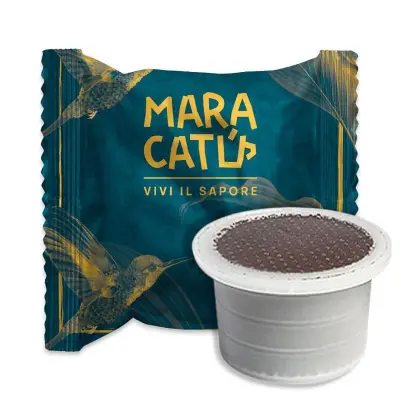 100 Maracatú Coffee Capsules Gran Crema Uno System Compatible
19,90 €


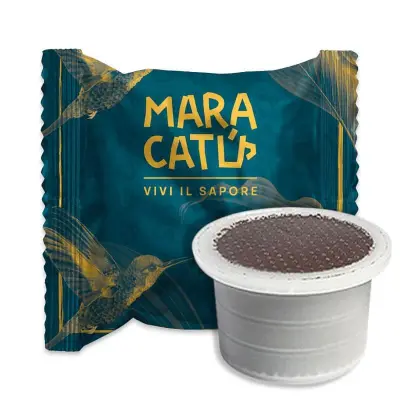 100 Capsules Maracatú Decaffeinated Uno System Compatible
23,90 €
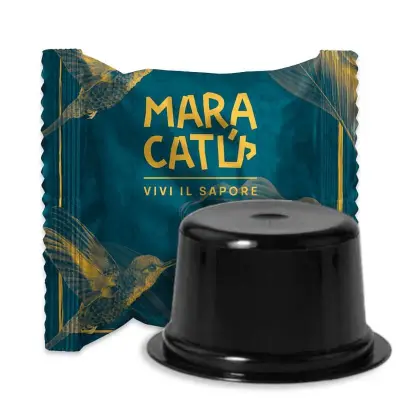 80 Maracatú Coffee Capsules Gran Crema Lavazza Blue In Black Compatible
18,90 €
More on this topic
More

Coffee Capsules Guide: How to Choose Your Perfect Taste
Read article

5 myths about capsule coffee
Read article
How to properly store coffee and coffee capsules: expert advice
Read article

Are you a reseller? Access the Maracatú B2B price list in just a few steps!
Read article

Capsule systems compared: Nespresso, Dolce Gusto, A Modo Mio, ESE and Caffitaly — which to choose
Read article
How to descale your coffee machine: a practical guide from over 15 years in coffee
Read article
Caffè Borbone: a guide to the Rossa, Nera, Blu, Oro and Dek blends
Read article
The coffee intensity scale: what the numbers on capsules really mean
Read article

The origins of coffee: myths, legends and the road to the Italian cup
Read article
Coffee roasting: the levels, and how each one changes the cup
Read article
Espresso: how the Italian classic was born
Read article
Water and the taste of coffee: the ingredient nobody talks about
Read article