





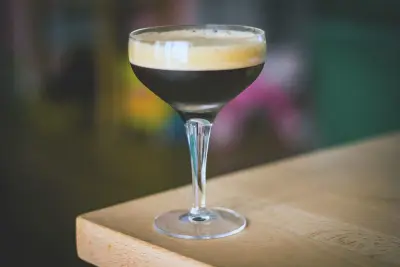
Coffee in cocktails: espresso martini and Italian classics
Why coffee changes a cocktail
We have been selling coffee for over fifteen years, and in autumn the questions change: no longer only the morning cup, but coffee as an ingredient in an after-dinner drink.
Coffee brings three things to the glass that no other ingredient brings together: bitterness, acidity and a dense body that holds foam. That is why it stands up to spirits and liqueurs instead of disappearing behind them.
The first mistake is almost always the same. Espresso poured boiling hot into the shaker melts the ice too quickly, the drink turns watery and the bitterness goes flat.
The practical rule is simple: pull the espresso fresh and chill it fast, or brew it in advance and keep it refrigerated for no more than a few hours.
We have already published a dedicated guide to cold coffee at home, and the chilling techniques apply here unchanged.
The espresso martini, done properly
This is the drink that brought coffee back behind the bar. It appeared in London in the late 1980s and lives on a balance of three elements: vodka, coffee liqueur and fresh espresso.
The proportions that work almost every time are five parts vodka, two parts coffee liqueur and three parts espresso, freshly pulled and chilled. Sugar goes in only when the blend is markedly bitter.
The foam comes neither from sugar nor from cream: it comes from coffee oils emulsified by a short, energetic shake, with a full charge of ice rather than cubes that have already started to melt.
On blend choice it pays to be practical. A medium roast with full body holds up to cold better than a light, acidic roast, which tends to turn sharp in the glass.
Among our beans and ground coffee, the fuller-bodied blends are the ones customers report the best results with in drinks.
A second mistake concerns the dose. A lungo brings water into the glass and dilutes the drink before the ice even starts: it is better to stay with a short extraction.
The Italian recipes: shakerato, corretto, affogato
Long before the espresso martini, Italy already had its own ways of combining coffee and alcohol, and they remain the simplest to reproduce at home.
Caffè shakerato is an espresso sweetened while hot, then shaken with ice until it turns creamy. Without alcohol it is a summer classic; with a spoonful of amaretto it becomes an after-dinner drink.
Caffè corretto is the essential version: an espresso with a small measure of grappa, sambuca or brandy, served in the cup. It is not a cocktail but a ritual, and it lives on the quality of both ingredients.
The affogato brings together vanilla ice cream and an espresso poured over it at the table, with an optional spoon of liqueur. It is the most indulgent of the three and the quickest to serve.
For the corretto and the affogato it is worth looking at our liqueurs, spirits and sparkling wines, where we keep the Italian bottles we use ourselves.
Which coffee to use, and with which system
A coffee cocktail does not call for a professional machine. It calls for a short, dense, repeatable espresso, and capsule systems deliver exactly that.
With Nespresso® and A Modo Mio® it is worth reaching for the more intense capsules: in the cold and alongside alcohol the delicate notes disappear, while body and roast stay legible.
ESE 44 mm pods give a softer espresso and are a sound choice for the shakerato, where crema matters more than intensity.
If you prefer to dose by hand, ground coffee for the moka pot works in an affogato but not in an espresso martini: it lacks the density that holds the foam.
On what the numbers printed on capsules actually mean we have written a guide to the intensity scale, useful precisely when choosing a coffee to mix.
A final note on proportions: in a corretto the spirit should not cover the coffee. A teaspoon is enough, and the cup goes to the table at once, before the aroma disperses.
The minimum kit, and what you can skip
The drinks in this guide need four things: a shaker, a strainer, a chilled glass and plenty of ice. Everything else is convenience.
Ice is the element most often underestimated. Small cubes that have already started to melt dilute quickly; keep them in a sealed bag and use them dry.
A cold glass counts as much as the recipe. A glass left ten minutes in the freezer holds the foam throughout service, while one at room temperature dissolves it within a minute.
In our accessories and cups section we keep glassware and small tools that earn their place daily, not only for cocktails.
If you are unsure which blend suits a particular drink, our team is always available: get in touch and we will point you to the right references.
The reverse holds too: a decaffeinated capsule works well in a late-evening affogato, when the coffee is there for flavour rather than for wakefulness.
Three mistakes that ruin a coffee drink
The first is serving the drink without straining it. Ice shards keep melting in the glass and within three minutes the cocktail is something else.
The second is the wrong blend for cold serving. A light roast, pleasant in the cup, turns acidic next to alcohol and clashes with the liqueur instead of accompanying it.
The third is stale coffee. An espresso pulled in the morning and used in the evening has lost the oils that build the foam, and no amount of shaking brings them back.
How to store coffee so that it stays usable is covered in our storage guide.
Popular products
All products
More


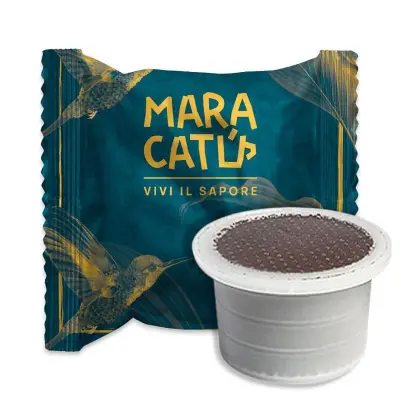 100 Maracatú Coffee Capsules Gran Crema Uno System Compatible
19,90 €


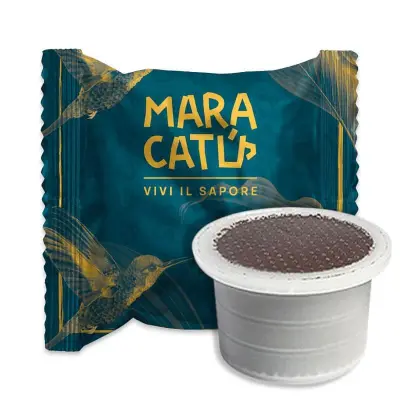 100 Capsules Maracatú Decaffeinated Uno System Compatible
23,90 €
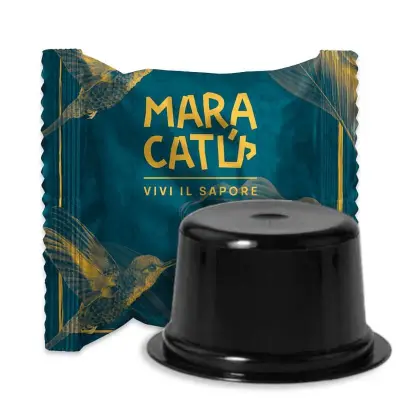 80 Maracatú Coffee Capsules Gran Crema Lavazza Blue In Black Compatible
18,90 €
More on this topic
More

Coffee Capsules Guide: How to Choose Your Perfect Taste
Read article

5 myths about capsule coffee
Read article
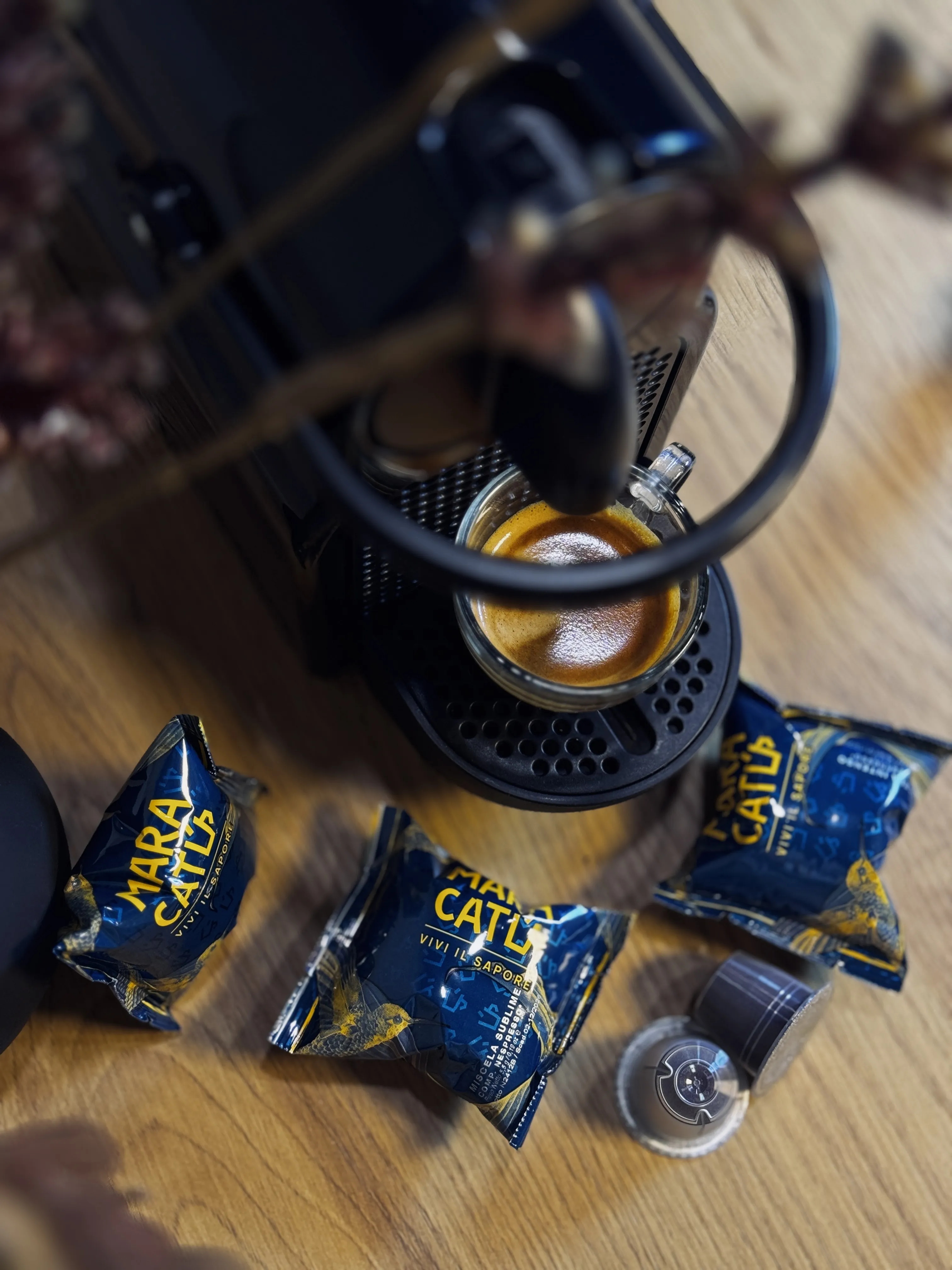
How to properly store coffee and coffee capsules: expert advice
Read article

Are you a reseller? Access the Maracatú B2B price list in just a few steps!
Read article
Capsule systems compared: Nespresso, Dolce Gusto, A Modo Mio, ESE and Caffitaly — which to choose
Read article

How to descale your coffee machine: a practical guide from over 15 years in coffee
Read article
Caffè Borbone: a guide to the Rossa, Nera, Blu, Oro and Dek blends
Read article
The coffee intensity scale: what the numbers on capsules really mean
Read article
The origins of coffee: myths, legends and the road to the Italian cup
Read article
Coffee roasting: the levels, and how each one changes the cup
Read article
Espresso: how the Italian classic was born
Read article
Water and the taste of coffee: the ingredient nobody talks about
Read article