






Cold coffee at home: shakerato, cold brew and coffee over ice
Cold does not mean watered down
The most common summer reflex is also the one that ruins the most coffee: an espresso is pulled and poured into a glass full of ice. Half a minute later the glass holds brown water.
The reason is simple. An espresso weighs barely twenty five grams; a glass of ice weighs five or six times as much. The ice melts with the heat of the drink and dilutes it in proportions no blend can withstand.
People who make cold coffee professionally always work two levers. The first is raising the starting concentration: more coffee, less water. The second is removing heat before ice comes into play.
The three preparations below tackle the problem in different ways. The shakerato chills fast and whips up a dense foam, cold brew avoids heat altogether, and Italian style coffee over ice starts from a base that is already sweetened and concentrated.
None of the three calls for special equipment. What is needed is a suitable coffee, a container that seals and a little care with ratios.
The shakerato, done properly
The shakerato was born behind a bar counter and lives on two details: the starting temperature and how hard it is shaken.
Start with a short espresso, ideally a double. If it is to be sweetened, the sugar goes in now, while the coffee is still hot. In a cold glass it will no longer dissolve and simply settles at the bottom.
The coffee then goes into the shaker over plenty of ice in large cubes. Large cubes melt more slowly and chill without diluting; crushed ice does exactly the opposite.
Shake firmly for around twenty seconds, until the walls of the shaker turn cold to the touch. The shaking is what builds the foam: without a vigorous motion the result is just cold coffee.
The last step is straining into the glass, leaving the ice behind in the shaker. A glass kept a few minutes in the freezer helps the foam hold. Serve at once, because the crema of a shakerato lives for a couple of minutes.
Cold brew: time instead of heat
Cold brew is not chilled coffee, it is coffee that never met heat. The extraction happens in cold water over many hours.
Starting ratios are one part coffee to eight or ten parts water, with a coarse grind close to what a French press takes. A fine grind, across such a long extraction, carries into the cup everything one would rather avoid.
The mixture rests covered in the fridge for twelve to eighteen hours. It is then filtered, first through a fine mesh strainer and finally through paper, which holds back the fine dust responsible for a cloudy mouthfeel.
The result has a recognisable profile: low acidity, restrained bitterness, sweet notes of nuts and cocoa. Many bitter compounds dissolve only in hot water and stay behind in the grounds when the water is cold.
The concentrate keeps for a few days in a sealed bottle in the fridge. Serve it lengthened with water or milk, or over ice: here the ice does no harm, because the base was concentrated on purpose. On grind size we published a dedicated guide, how to choose the right setting.
Coffee over ice, the Italian way
Long before cold brew arrived, Italy already had cold coffee, and in more than one form.
In Salento they make caffè in ghiaccio with almond milk: one espresso, two ice cubes in a small glass and a finger of almond milk. It is sweet, dense and needs no sugar.
In northern bars you find bottled cold coffee instead: sweetened espressos pulled in the morning, cooled and kept in the fridge all day. The advantage is that the coffee never meets ice, so it never dilutes.
The same thing works at home without trouble: four or five espressos sweetened while hot, a glass bottle, the fridge. It keeps for two days and settles the afternoon without switching the machine on.
Finally there is crema di caffè, the thick version eaten with a spoon: coffee, sugar and a small share of water, whipped at length and left in the freezer until it sets. It is not a drink but a dessert, and it should be treated as one.
Which coffee to pick for cold drinks
Cold changes perception: it mutes volatile aromas and brings body and sweetness forward. A blend that seems balanced hot can read as flat over ice.
For the shakerato and for coffee over ice, Neapolitan style blends with a share of robusta work well: they withstand dilution, deliver crema and stay recognisable when cold. They are in the whole bean and ground coffee section and among the Borbone blends.
For cold brew the best choice is the opposite: a medium roast with more arabica, where sweet and fruity notes have room. The long cold extraction draws them out unhurriedly.
With a capsule machine the method still holds: extract as a ristretto, sweeten straight away and move to the shaker. Formats for every system are gathered in the capsule and pod systems section.
A tall, thick walled glass helps more than one would think, because it holds the temperature and supports the foam: glasses and cups are in accessories and cups.
For a suggestion on which blend to try cold first, please get in touch. The Maracatú team is glad to help.
Popular products
All products
More


 100 Capsules BORBONE Respresso RED Blend Nespresso Compatible
21,90 €


 100 Maracatú Coffee Capsules Gran Crema Uno System Compatible
19,90 €
 100 Capsules Maracatú Decaffeinated Uno System Compatible
23,90 €
 80 Maracatú Coffee Capsules Gran Crema Lavazza Blue In Black Compatible
18,90 €
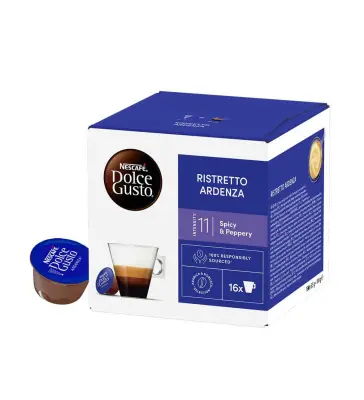 16 Coffee Capsules Nescafè Dolce Gusto Espresso ARDENZA
4,99 €
More on this topic
More

Coffee Capsules Guide: How to Choose Your Perfect Taste
Read article


5 myths about capsule coffee
Read article
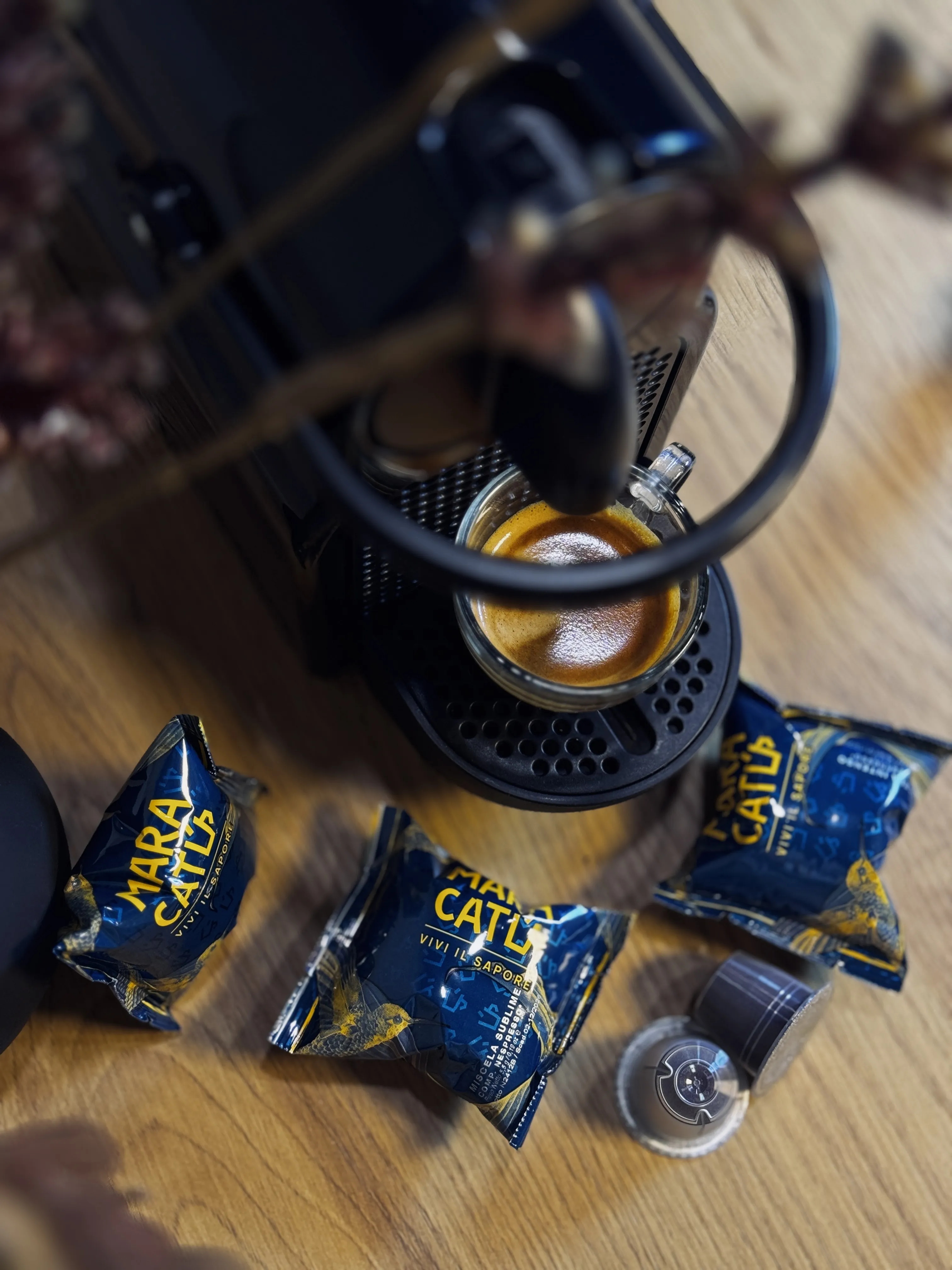
How to properly store coffee and coffee capsules: expert advice
Read article

Are you a reseller? Access the Maracatú B2B price list in just a few steps!
Read article
Capsule systems compared: Nespresso, Dolce Gusto, A Modo Mio, ESE and Caffitaly — which to choose
Read article

How to descale your coffee machine: a practical guide from over 15 years in coffee
Read article
Caffè Borbone: a guide to the Rossa, Nera, Blu, Oro and Dek blends
Read article
The coffee intensity scale: what the numbers on capsules really mean
Read article

The origins of coffee: myths, legends and the road to the Italian cup
Read article
Coffee roasting: the levels, and how each one changes the cup
Read article
Espresso: how the Italian classic was born
Read article

Water and the taste of coffee: the ingredient nobody talks about
Read article