





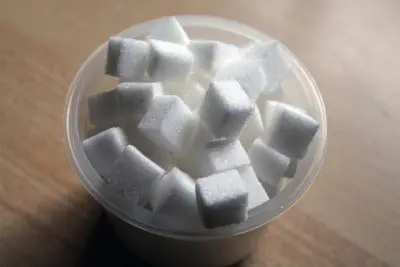
Coffee and sugar: the story of a pairing
Two products that travelled together
We have been working with coffee for more than fifteen years, and one question about sugar keeps coming back: does it spoil the coffee or complete it? To answer it, it is worth taking a step back.
Coffee and sugar shared an important part of the history of European eating habits for centuries. Both started out as costly products, brought from distant lands and available mainly to the wealthier parts of society.
As coffee houses and coffee drinking spread across Europe, sugar became one of the most common companions of the new beverage. It softened the bitterness and made the taste more pleasant for many drinkers.
Over time the pairing became a deeply rooted habit, so much so that even today the question “with or without sugar?” almost automatically accompanies the ritual of the cup.
Today, however, we know and appreciate far more about the differences between origins, blends, roast levels and brewing methods. A well-prepared coffee can offer a natural perception of sweetness and an aromatic balance that is well worth tasting without any additions at all.
What sugar does to the taste
Sugar does not remove the bitterness of coffee; it changes how we perceive it. With added sweetness, the contrast with the bitter components shifts, and the overall taste can come across as softer and more balanced.
At the same time, a large amount of sugar can mute some of the coffee's aromatic character. Acidity and fruity, floral or roasted notes may be perceived differently once sweetness takes over.
The mouthfeel can change slightly as well: dissolved sugar adds to the texture of the drink and can make it feel fuller.
This is why preferences vary so much from blend to blend. In an intense espresso with a darker roast and pronounced bitterness, a small amount of sugar can soften the profile and bring out notes of cocoa or caramel.
With more delicate, aromatic coffees, on the other hand, it is worth trying at least a few sips without sugar to appreciate all the nuances.
Naturally, the sweetness threshold is personal and shaped by habit. By gradually reducing the amount of sugar, we can learn to recognise characteristics of the coffee that were less noticeable before.
The moment you add it
In an Italian coffee bar, sugar is usually added to the espresso as soon as it is served, while the temperature of the drink still allows it to dissolve quickly.
Stirring just long enough to distribute it evenly is all it takes. Stirring for too long brings no particular benefit, and in the meantime the coffee naturally keeps cooling down and losing some of its most volatile aromas.
If you would like to experiment, you can also try a preparation inspired by the Neapolitan tradition: work a small amount of sugar with the first drops of coffee into a cream, then combine it with the espresso.
Cold coffee is a different story: granulated sugar dissolves far less easily at low temperatures. This is why a sugar syrup can be more practical, especially when preparing drinks and cocktails. We covered this in our guide to coffee cocktails.
White, cane or none at all
White sugar consists almost entirely of sucrose and has a relatively neutral taste. It therefore mainly changes the sweetness of the coffee without adding any pronounced aromas.
Cane sugar, depending on the type and degree of refinement, can have a different aromatic character, with notes reminiscent of caramel or molasses. It can therefore make an interesting match, especially with coffees that have an intense, roasted profile.
Honey and syrups can also be used to sweeten coffee, but they have an aromatic profile of their own and can change the taste more noticeably than traditional sugar.
Sweeteners differ from sugar both in sweetening power and in taste profile. Some can leave a perceptible aftertaste in the coffee, which is why the choice comes down largely to personal preference.
In our delights and sugar section you will find a range of treats to accompany and round off your coffee break.
One final tip concerns quantities: there is no ideal dose that suits everyone. The result depends on the volume of the drink, the blend you use and, above all, your personal taste. It is best to start with a small amount and add more only after tasting.
When sugar can hide a problem
There is a difference between adding sugar because we enjoy it and using it to make a coffee with excessive bitterness or an unbalanced taste easier to drink.
If the same coffee suddenly seems to need more sugar than usual, it may be worth checking a few other factors: how clean the machine is, whether limescale has built up, how the coffee is stored or, on machines that allow it, the grind and extraction settings.
An excessively bitter, dry or astringent coffee can in fact be linked to over-extraction, unsuitable temperatures or other aspects of preparation. In these cases sugar can soften the perception of the flaw, but it will not remove its cause.
If you use a machine that lets you adjust the grind, dose and extraction time, try changing one parameter at a time and see how the result in the cup changes.
Proper machine maintenance is essential too. In our descaling guide we have gathered some useful tips for keeping it efficient over time.
How to try without preconceptions
The simplest way to find out how you prefer your coffee is a small side-by-side comparison.
Prepare two cups with the same coffee and add sugar to only one of them. Taste the unsweetened coffee first, then compare it with the sweetened one, paying attention to how the bitterness, acidity, body and aromas change.
You can repeat the test with different blends: one more intense and roasted, the other more delicate and aromatic. You may find that the amount of sugar you prefer changes depending on the coffee you choose.
If the coffee without sugar seems too light or lacking in structure, before sweetening it you could also try slightly reducing the amount of water, where your brewing system allows it. Sometimes adjusting the extraction is all it takes to get a cup closer to your taste.
There is no single right choice: drinking coffee with or without sugar is above all a matter of personal taste. What matters is knowing what is in the cup and finding the balance we enjoy most.
If you would like advice on the blend best suited to your habits, please get in touch: the Maracatú team is always happy to help you choose.
And if you feel like experimenting a little further, try the same blend with waters of different characteristics: water too can noticeably change the perception of sweetness, acidity and intensity in your coffee.
Popular products
All products
More


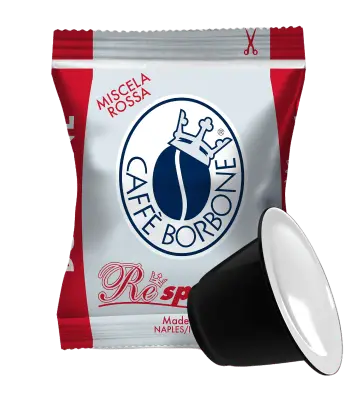 100 Capsules BORBONE Respresso RED Blend Nespresso Compatible
21,90 €


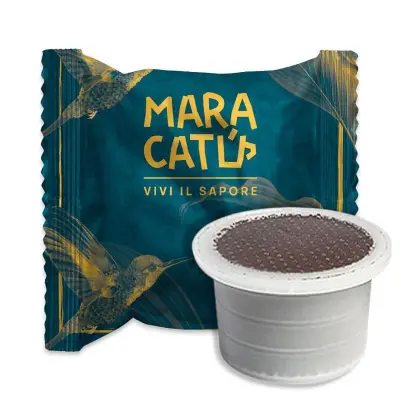 100 Maracatú Coffee Capsules Gran Crema Uno System Compatible
19,90 €
 100 Capsules Maracatú Decaffeinated Uno System Compatible
23,90 €
 80 Maracatú Coffee Capsules Gran Crema Lavazza Blue In Black Compatible
18,90 €
More on this topic
More

Coffee Capsules Guide: How to Choose Your Perfect Taste
Read article

5 myths about capsule coffee
Read article
How to properly store coffee and coffee capsules: expert advice
Read article
Are you a reseller? Access the Maracatú B2B price list in just a few steps!
Read article

Capsule systems compared: Nespresso, Dolce Gusto, A Modo Mio, ESE and Caffitaly — which to choose
Read article
How to descale your coffee machine: a practical guide from over 15 years in coffee
Read article
Caffè Borbone: a guide to the Rossa, Nera, Blu, Oro and Dek blends
Read article
The coffee intensity scale: what the numbers on capsules really mean
Read article

The origins of coffee: myths, legends and the road to the Italian cup
Read article
Coffee roasting: the levels, and how each one changes the cup
Read article
Espresso: how the Italian classic was born
Read article
Water and the taste of coffee: the ingredient nobody talks about
Read article