






Coffee in cinema and pop culture: from the tazzina to the takeaway cup
An everyday gesture turned language
We have been selling coffee for over fifteen years, and for just as long we have noticed something curious: cinema talks about coffee constantly, almost never by name.
A small cup drunk standing at the counter speaks of hurry and belonging. A paper cup carried down the street speaks of a city that never slows. A shared moka pot on the table speaks of family.
Directors reach for coffee because it is a gesture everyone recognises at first glance. Change the cup, the place or the pace, and the meaning changes with them.
That is why coffee crosses every genre, from crime stories to romantic comedies, playing a different part each time: pause, pretext, truce, declaration.
In this article we look at three screen traditions: the espresso of Italian cinema, American diner coffee, and the cup around which television series revolve.
At the end we turn practical, because the coffee moment that works so well on screen can be recreated at home with a few simple touches.
Espresso in Italian cinema: counter, cup, ritual
In Italian cinema coffee almost always sits at the edge of the frame, yet it is rarely absent: in the neighbourhood bar of neorealism, in the comedies of the great character actors, in kitchens where the moka pot gurgles.
The bar is the real stage. In post-war films it is where people look for work and news, and the small cup at the counter is often the last luxury the characters can afford: small, quick, dignified.
The comedies then turned the act of ordering into a portrait: one character demands his coffee made in an exact way, another offers it as an apology, a third refuses it out of pride. Ten seconds at the counter and the character is drawn.
The most celebrated scene, though, belongs to Eduardo De Filippo: coffee prepared on a balcony and explained step by step, like a small treatise of domestic philosophy.
From these images comes the idea that espresso is a ritual before it is a drink: precise gestures, a small serving, a fast pace that is never careless.
And the cup plays a leading role alongside the coffee: on why thickness, shape and material truly change the experience we have written a dedicated article.
Diner, carafe and takeaway cup
American cinema tells the story of a completely different coffee: filtered, plentiful, served in thick mugs that the diner waitress refills without being asked.
The diner is a distant cousin of the Italian bar: a democratic place where police officers, truck drivers and dreamers sit at the same counter. The glass carafe moving between the tables is one of the most filmed gestures in screen history.
That coffee is not a thirty-second ritual but a constant presence: it accompanies interrogations, confessions and long nights, and a half-full mug signals that the conversation is not over.
The series Twin Peaks paid tribute to that very mug of black diner coffee, treating it with an affectionate seriousness that turned it into a small cult.
Then there is the takeaway cup, perhaps the most recognisable symbol of all: a detective walking fast with coffee in hand tells of a city that never stops, and the plastic lid becomes almost a badge.
From the same world comes the fashion for cold coffee in a clear cup, which grew on screen along with takeaway culture: for anyone who would like to try it at leisure, we have written a guide to making cold coffee at home.
Series and the cup as a meeting place
Television series gave coffee a third occupation: not an individual ritual, not fuel, but the place where stories cross.
The sitcom Friends turned a coffee-house sofa into a shared living room: the friends meet there every day, and the cup in hand is the sign that conversation may begin.
Office series did the same with the coffee corner: that is where confidences, alliances and small conspiracies are born, far more often than in meeting rooms.
The formula works because it repeats an everyday truth: talking is easier over a cup, hands are busy, silences are allowed and nobody hurries to a conclusion.
Screenwriters confirm it with a precise choice: when two characters truly have something to say to each other, the scene almost always moves to coffee.
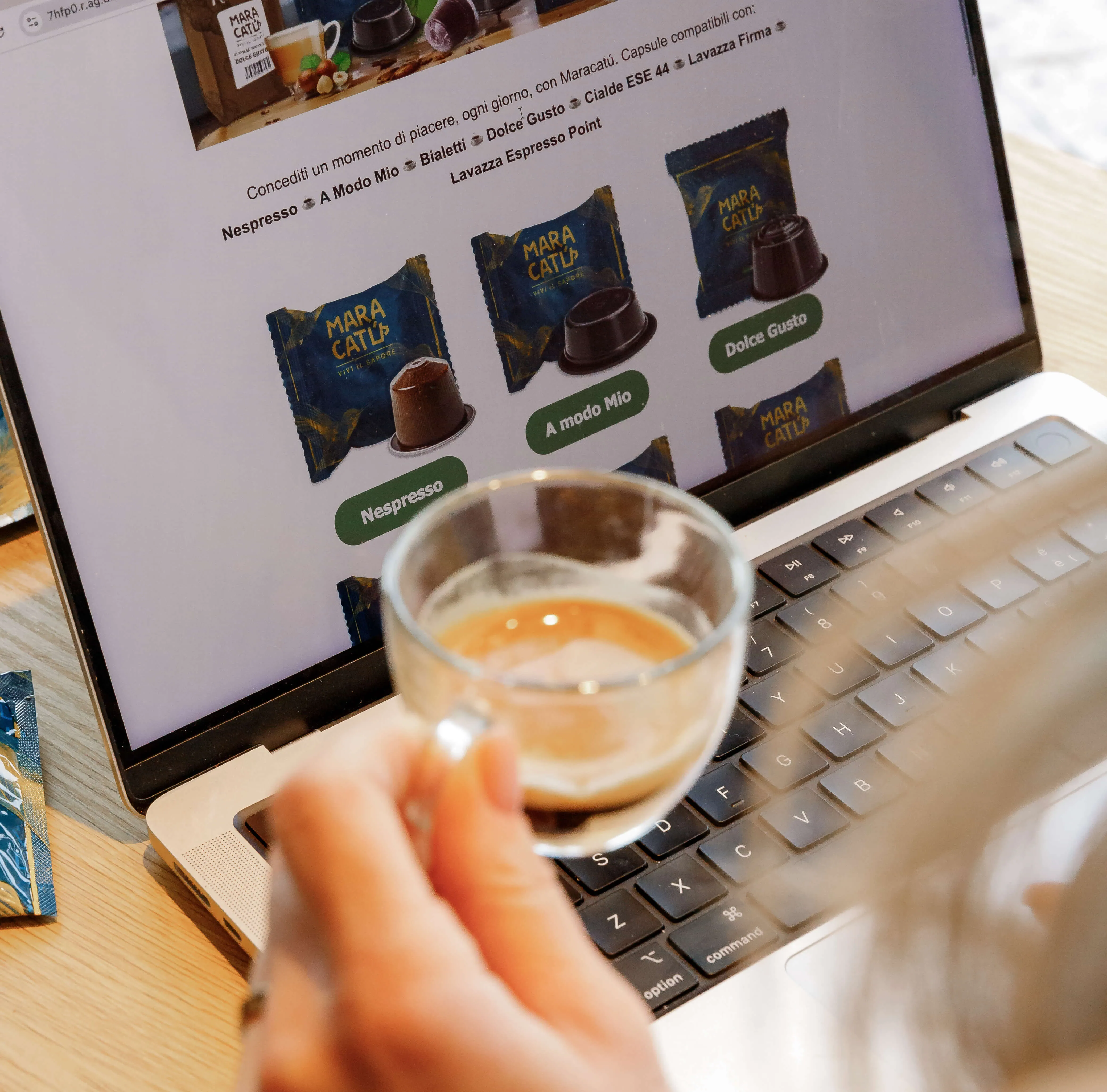
That office pause now has a home version: capsules compatible with the Nespresso®, Dolce Gusto® and Lavazza A Modo Mio® systems in our systems section prepare the cup for conversation in under a minute.
How to shoot your own coffee scene
Recreating a film-worthy coffee moment at home requires no set: three elements are enough, and any production designer would recognise them at once.
The first is the right vessel for the role. A thick-walled small cup for Italian espresso, a generous mug for a long coffee on the sofa: in our accessories and cups section you will find both families.
The second is a coffee that can carry a close-up: fresh beans, ground just before brewing, chosen from our beans and ground coffee to suit the time of day.
The third is time, the element cinema takes most seriously. The scene works when nobody looks at a phone: five minutes in which coffee is the main activity and not the background.
Directing details help too: morning light from the window, the good chair instead of a corner of the worktop, the moka pot left to gurgle unhurried.
And if you fancy an American touch, brew a longer serving and drink it next to someone: as we have seen, that cup serves conversation more than caffeine.
The closing credits are yours
Cinema has taught us that coffee tells the story of whoever drinks it: the quick cup at the counter, the patient diner mug, the paper cup crossing the city.
The best part is that this scene needs no extras and no permits: it is shot every morning in your kitchen, and you write the script.
For over fifteen years we have been helping our customers find the coffee that suits their ritual, from espresso beans to capsules for every system and ESE pods.
If you tell us how and when you drink your coffee, we will gladly suggest two or three references to try: get in touch and we will build your perfect scene together.
Image: cinema seats, reynermedia, CC BY 2.0 (Wikimedia Commons).
Popular products
All products
More


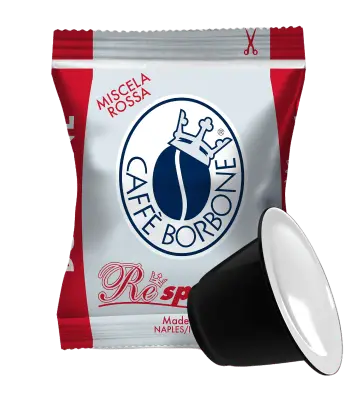 100 Capsules BORBONE Respresso RED Blend Nespresso Compatible
21,90 €


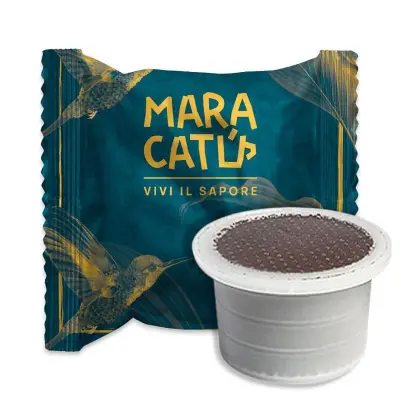 100 Maracatú Coffee Capsules Gran Crema Uno System Compatible
19,90 €
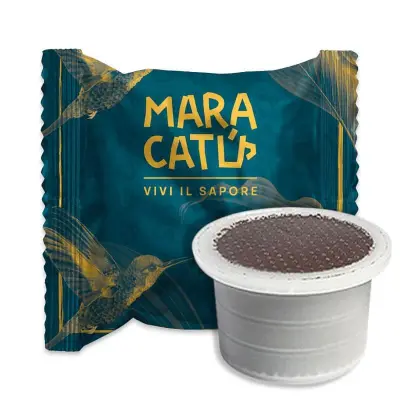 100 Capsules Maracatú Decaffeinated Uno System Compatible
23,90 €
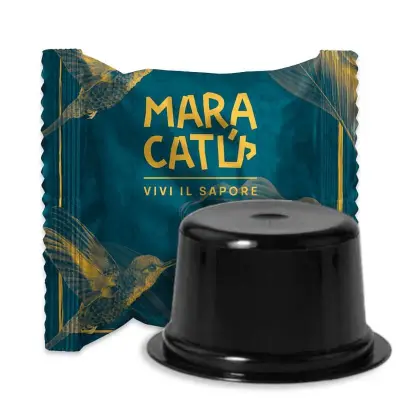 80 Maracatú Coffee Capsules Gran Crema Lavazza Blue In Black Compatible
18,90 €
.jpg)
More on this topic
More
Coffee Capsules Guide: How to Choose Your Perfect Taste
Read article

5 myths about capsule coffee
Read article
How to properly store coffee and coffee capsules: expert advice
Read article
Are you a reseller? Access the Maracatú B2B price list in just a few steps!
Read article
Capsule systems compared: Nespresso, Dolce Gusto, A Modo Mio, ESE and Caffitaly — which to choose
Read article
How to descale your coffee machine: a practical guide from over 15 years in coffee
Read article
Caffè Borbone: a guide to the Rossa, Nera, Blu, Oro and Dek blends
Read article
The coffee intensity scale: what the numbers on capsules really mean
Read article
The origins of coffee: myths, legends and the road to the Italian cup
Read article
Coffee roasting: the levels, and how each one changes the cup
Read article
Espresso: how the Italian classic was born
Read article
Water and the taste of coffee: the ingredient nobody talks about
Read article