






Coffee and digestion: the after-lunch espresso, custom and what studies observe
The after-lunch espresso: a habit that endures
In Italy the habit is simple: a meal rarely ends without a small cup. At the restaurant the espresso arrives before the bill, at home it follows the fruit or the dessert, at the bar it closes the lunch break.
Behind the habit sits a widespread belief that coffee “helps you digest”. It is worth separating what rests on observation from what belongs to feeling and ritual.
In this article we gather what research observes about coffee and the digestive system: gastric acid, intestinal motility, decaf, the empty stomach and the sensitive stomach. The tone is informational, with no medical claims, and we close with a few practical habits.
We do not repeat here how decaf is made, nor the subject of night-time rest: both have their own guides, linked further down. Here we look at what happens in the stomach and the gut after the cup that ends the meal.
What studies observe: acid, bile and movement
The most solid finding concerns the stomach. Several studies observe that coffee stimulates the release of gastrin, a hormone that in turn promotes the secretion of gastric acid. It is one reason why, after coffee, the stomach seems to “get to work”.
A second effect concerns the gallbladder. Coffee stimulates another hormone, cholecystokinin, which prompts the gallbladder to contract and release bile into the intestine. Bile emulsifies fats, which a rich meal has in abundance.
The third effect most coffee drinkers know: the gut starts moving. In a share of people, coffee stimulates the motility of the colon within minutes, with an effect that some studies compare to that of a meal.
One point often surprises, though: research does not observe that coffee speeds up the emptying of the stomach. This tempers the idea that coffee “digests” in the strict sense.
Which substances in the cup play a part is covered in our article on the chemistry of coffee: chlorogenic acids, melanoidins and aroma compounds.
Decaf behaves in much the same way
It is tempting to credit caffeine with everything. The observations say something more interesting: decaffeinated coffee also stimulates gastrin, cholecystokinin and colon motility, somewhat less, but clearly.
The most accepted explanation is that no single molecule does the work. Chlorogenic acids, compounds formed during roasting and the bitterness of the drink itself all contribute to the response of the stomach and the gut. Caffeine takes part, but it does not explain everything.
For those who prefer to avoid caffeine in the afternoon or evening, this is useful: a decaf espresso after lunch keeps much of the “closing” effect of the meal. How it is made and what changes in the cup is the subject of our guide to decaf.
Sleep we have covered separately: if the cup after dinner keeps you awake, our article on caffeine and sleep offers some guidance on timing and alternatives.
Coffee after a big meal: facts and feelings
That leaves the feeling of lightness many people notice after the espresso that ends a meal, given that coffee does not speed up the emptying of the stomach. Several explanations are possible, and they probably add up.
The first is taste. After a rich and often sweet meal, bitterness clears the palate and marks an ending: the sign that eating has stopped.
The second is ritual. The espresso marks a pause, often with a conversation or a short walk. Time passing, not the coffee itself, does most of the work: the stomach proceeds at its own pace and the sense of heaviness fades.
The third is physiological, though modest: the stimulation of bile and gut motility described above can accompany the digestion of a fatty meal. We are talking about a contribution, not a remedy.
The after-meal coffee is therefore a pleasure with a few real effects on the digestive system, but it does not turn a heavy lunch into a light one. The size of the meal matters more than the cup that closes it.
Empty stomach, sensitive stomach and reflux
The opposite question concerns coffee drunk without having eaten. For a healthy person, research does not identify harm from an espresso on an empty stomach, but the stimulation of gastric acid, with no food to absorb it, can be felt as burning or discomfort by those who are more sensitive.
Gastro-oesophageal reflux deserves a separate note. Here studies do not agree: some observe a link between coffee and symptoms, others find none. The response seems highly individual and depends on quantity, time of day and what is eaten alongside.
For this reason we give no medical guidance. Anyone with reflux, gastritis, ulcers or other conditions of the stomach and gut should talk to their doctor, who knows their situation.
We can say that the Italian habit, a small cup after the meal, is also the most measured one: little volume, a few minutes, food already in the stomach. Large mugs drunk on an empty stomach all morning are a different habit, and often a more demanding one for a sensitive stomach.
Practical habits and which coffee to choose
From these observations come a few common-sense habits for people who are well and want to enjoy coffee without discomfort.
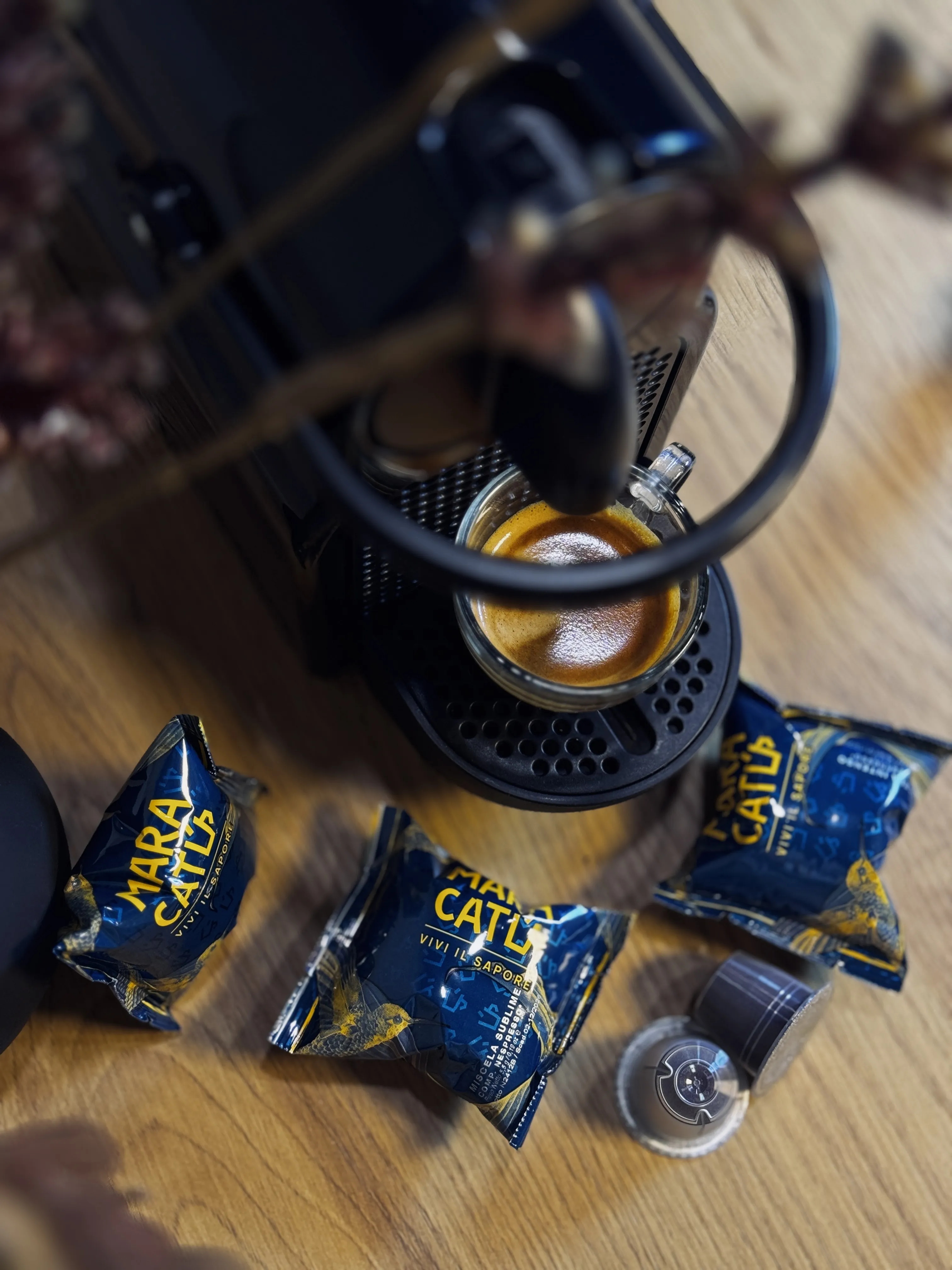
Prefer a short espresso after the meal to large quantities away from meals. The Italian format, little liquid and plenty of aroma, asks the least of the stomach. In our ESE 44 mm pods and in our Nespresso® compatible capsules you will find blends made for this cup.
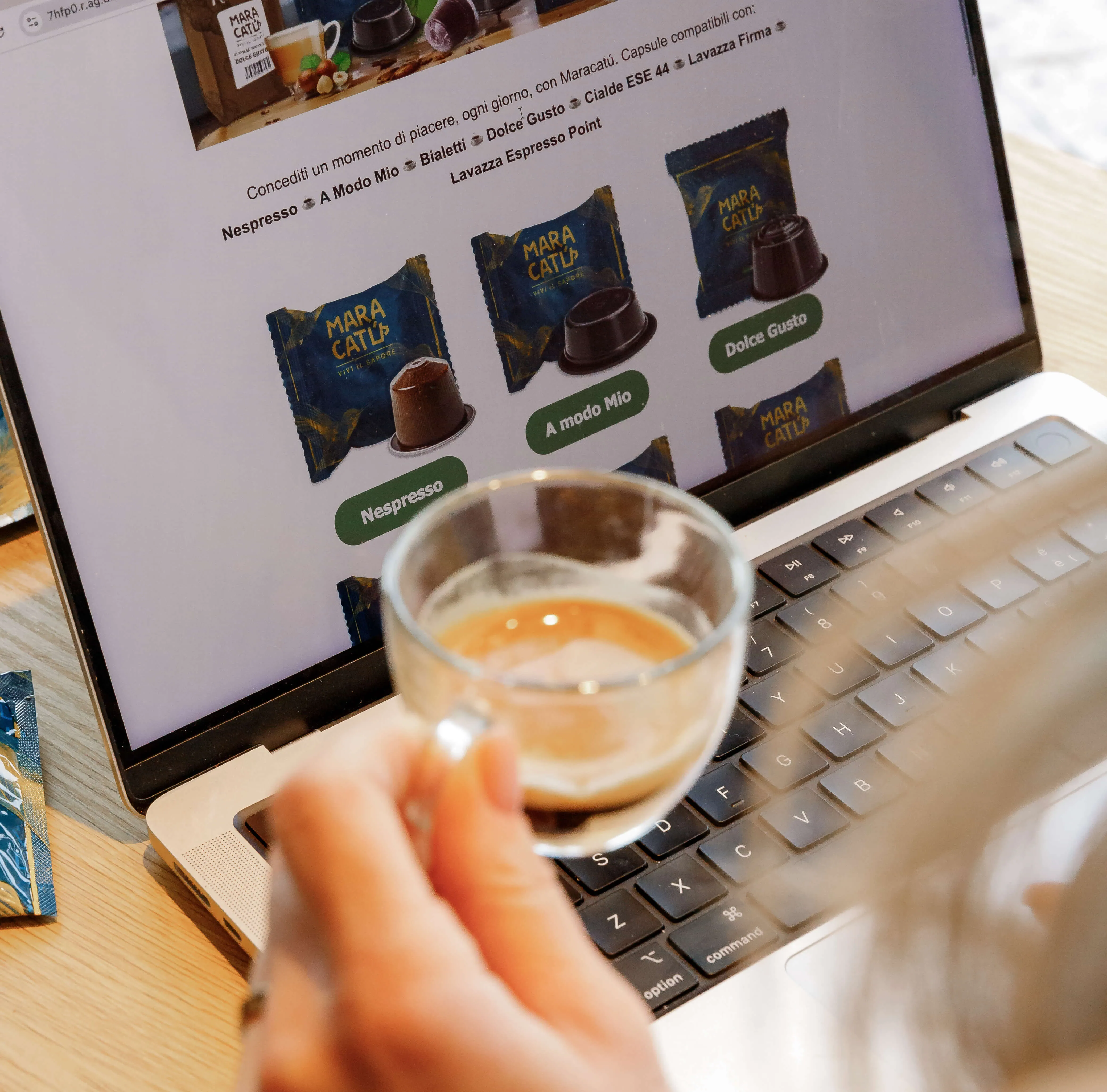
Keep decaf as an option, not a fallback. The Maracatú Decaffeinato line comes in ESE pods and in capsules compatible with Nespresso®, Lavazza A Modo Mio®, Dolce Gusto® and other systems; Caffè Borbone offers its Miscela Dek with the same coverage, beans included.
Remember that milk changes the drink. A cappuccino after a generous lunch adds fat and protein to a meal that was already complete, and for many people it sits heavier than an espresso: not by chance, Italian tradition keeps it for the morning.
Consider the roast level. Darker roasts are perceived as less acidic on the palate, and some observations suggest that a compound formed during roasting softens the stimulation of gastric acid. It is a pointer, not a guarantee: we cover it in our article on roasting and taste.
A last word on the ammazzacaffè, the small glass of amaro, grappa or limoncello that follows the espresso in many Italian regions. It is a convivial custom, not a documented aid to digestion: we mention it as a tradition, not as a recommendation.
If you would like advice on a blend, on decaf or on the format that suits your machine, get in touch: the Maracatú team is always happy to help you choose.
Popular products
All products
More


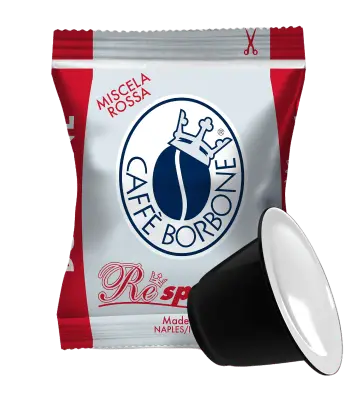 100 Capsules BORBONE Respresso RED Blend Nespresso Compatible
21,90 €


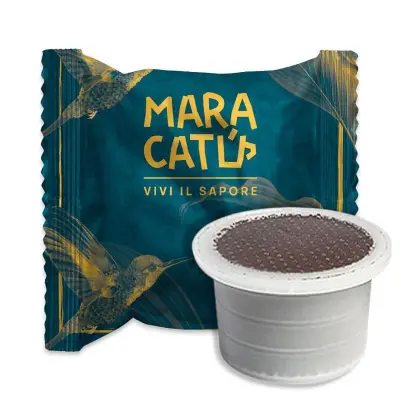 100 Maracatú Coffee Capsules Gran Crema Uno System Compatible
19,90 €
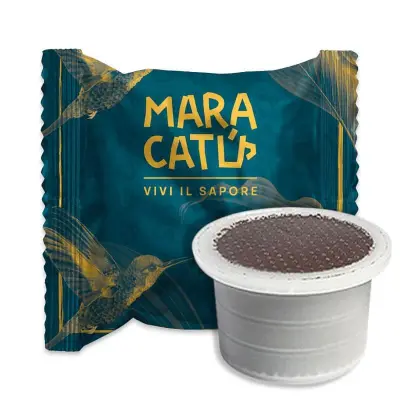 100 Capsules Maracatú Decaffeinated Uno System Compatible
23,90 €
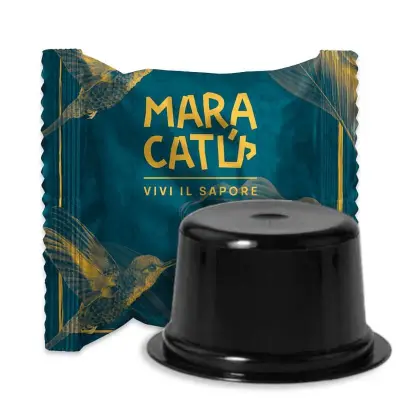 80 Maracatú Coffee Capsules Gran Crema Lavazza Blue In Black Compatible
18,90 €
More on this topic
More

Coffee Capsules Guide: How to Choose Your Perfect Taste
Read article

5 myths about capsule coffee
Read article
How to properly store coffee and coffee capsules: expert advice
Read article
Are you a reseller? Access the Maracatú B2B price list in just a few steps!
Read article
Capsule systems compared: Nespresso, Dolce Gusto, A Modo Mio, ESE and Caffitaly — which to choose
Read article
How to descale your coffee machine: a practical guide from over 15 years in coffee
Read article
Caffè Borbone: a guide to the Rossa, Nera, Blu, Oro and Dek blends
Read article
The coffee intensity scale: what the numbers on capsules really mean
Read article
The origins of coffee: myths, legends and the road to the Italian cup
Read article
Coffee roasting: the levels, and how each one changes the cup
Read article
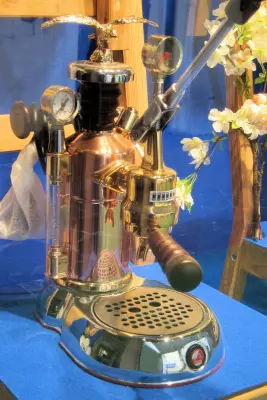
Espresso: how the Italian classic was born
Read article

Water and the taste of coffee: the ingredient nobody talks about
Read article