


Coffee in the Kitchen: Sweet and Savoury Recipes with Moka and Espresso
Coffee as an ingredient: three tips before you start
Coffee is not only a drink to enjoy from a cup: it can also become an interesting ingredient in the kitchen. We find it in tiramisù cream, in granitas, in chocolate cakes and even in some savoury dishes, such as sauces and marinades for meat.
In many recipes it behaves almost like a spice: it adds roasted notes, a pleasant bitterness and aromas that give the dish character.
Before getting started in the kitchen, there are three tips that can help you get a good result.
The first is to choose a quality coffee, with a flavour that suits the preparation. Ingredients such as cream, mascarpone, sugar and chocolate can change how aromas are perceived, so it is worth starting from a blend that you already like in the cup.
The second concerns temperature. In cold creams and desserts that are not cooked, it is generally preferable to use cooled coffee, so as not to alter the texture of the other ingredients. In some hot preparations, on the other hand, the coffee can be added directly during preparation.
The third tip is to use, when possible, freshly made coffee. Coffee left for a long time at room temperature can lose part of its aromatic qualities, which also affects the result of the recipe.
In this guide we focus on coffee as an ingredient. If you are instead looking for ideas to drink, you can read our article on coffee in cocktails or the guide to cold coffee made at home, which also covers shakerato and cold brew.
Which coffee to cook with: moka, espresso or ground coffee
The choice of coffee depends above all on the type of recipe and the result we want to achieve.
Moka coffee is particularly practical when a larger quantity of the drink is needed, for example to dip the savoiardi (ladyfingers) for tiramisù, to make a granita or to add an aromatic touch to a cake batter.
You can choose the blend you prefer in our coffee beans and ground coffee section.
Espresso, on the other hand, is useful when we want a more concentrated flavour without adding too much liquid. It can be a good choice for creams, semifreddi, fillings and some sauces.
A professional machine is not necessarily required: even ESE 44 mm pods or capsules compatible with the Bialetti system and with other home machines can be used to make the coffee for recipes.
There is also a third use, less common but interesting: ground coffee added directly to the ingredients, without making the drink first.
A small amount can be worked into biscuit dough or used in a spice blend for meat. In this case it is important to measure it carefully, because the ground coffee stays in the preparation and can also affect its texture.
As for the blend, there is no single best choice for all recipes.
An intense coffee, perhaps with a medium-dark roast, can work well in desserts rich in chocolate or mascarpone. A more delicate, aromatic blend can instead bring out light preparations, in which we want the coffee to accompany the other ingredients without dominating them.
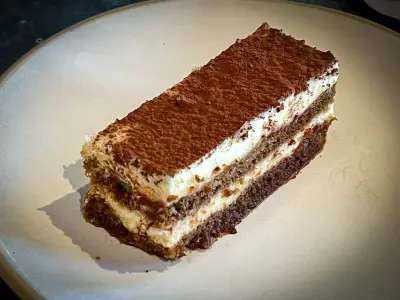
Tiramisù: the great Italian classic
When we talk about coffee desserts, the first thought almost always goes to tiramisù.
Its origins are linked to north-eastern Italy, with different traditions and claims between Veneto and Friuli Venezia Giulia. Whatever its history, the best-known version is based on few ingredients: savoiardi, coffee, mascarpone, eggs, sugar and unsweetened cocoa.
The coffee plays a fundamental role, because it helps balance the sweetness of the cream and gives the dessert its characteristic flavour.
To make it we can use a moka pot or an espresso machine, choosing a blend aromatic enough to remain recognisable even alongside the mascarpone.
The coffee should be left to cool before dipping the savoiardi. We can use it without sugar or sweeten it lightly, depending on preference and on the sweetness of the cream.
We have also looked at this topic in our article on coffee and sugar.
One of the most important aspects of making tiramisù is precisely the dipping of the savoiardi.
The biscuits must absorb the coffee without becoming too soft. Generally it is enough to dip them for a few moments, bearing in mind that they will keep absorbing moisture while resting in the fridge.
After alternating the layers of savoiardi and cream, it is advisable to let the dessert rest in the fridge for a few hours, so that it takes on a more stable texture and the flavours blend.
If the recipe includes raw eggs, it is preferable to use pasteurised eggs or a preparation that includes pasteurisation, also paying attention to the correct storage of the dessert.
The unsweetened cocoa can be dusted on shortly before serving, to keep a more even appearance.
For an indulgent touch on the decoration, you can also use a few chocolate-covered coffee beans, among the specialities in our sweets and sugar section.
Granita, semifreddo and panna cotta: coffee in cold desserts
Coffee also lends itself particularly well to cold desserts, especially when we want to bring out its aromas in creamy or refreshing preparations.
Coffee granita is a speciality of the Sicilian tradition, closely linked to Messina, where it is often served with whipped cream and accompanied by the typical brioche.
To make a home version, a few ingredients are enough: coffee, water and sugar, in the proportions you like.
The coffee is made, the sugar is dissolved and the mixture is left to cool. It is then poured into a container suitable for the freezer.
During freezing, stirring from time to time with a fork helps break up the ice crystals and achieve the characteristic grainy texture.
For a more aromatic result we can choose a blend with a decisive flavour, bearing in mind that cold can dull the perception of some aromatic notes.
Coffee semifreddo, on the other hand, is a dessert with a soft, creamy texture. The coffee is incorporated into the base, often made with whipped cream and other ingredients, before freezing.
In this case a concentrated espresso can be particularly useful, because it allows us to add aroma without increasing the amount of liquid too much.
Another idea is coffee panna cotta.
We can make it by adding a small amount of espresso to the cream during preparation, or by flavouring the cream with coffee and straining it carefully before completing the recipe.
The result is a delicate dessert, in which the flavour of the coffee combines with the softness of the cream.
To serve these desserts, small glasses and glass cups can show off the textures and any layers. In our accessories and cups section you can find several options.
Coffee in baking: biscuits, cakes and chocolate
In baking too, coffee can become a valuable ingredient, both as the main flavouring and as an element that enriches other flavours.
One of the most popular pairings is that of coffee and chocolate.
Both can have roasted, aromatic notes that combine pleasantly. For this reason a small amount of espresso can help make the flavour of a chocolate cake or a brownie more complex.
The coffee does not have to become the dominant flavour: sometimes it is enough to add a moderate amount to get an interesting aromatic nuance.
If the recipe contains water or milk, we can try replacing part of it with cooled coffee, taking care to keep the right balance between the liquid ingredients.
When instead we want the coffee to be the star, we can use it to make biscuits, plumcakes, ring cakes (ciambelloni) and filling creams.
In biscuits we can experiment with a small amount of very finely ground coffee, while for buttercreams, mascarpone creams or other fillings it may be more practical to use concentrated espresso.
One aspect to consider is baking: the heat of the oven can change or dull some of the coffee's aromas.
For this reason the flavour may come through more clearly in creams added after baking than in baked batters. Even here, however, a lot depends on the blend and the quantities used.
The savoury side of coffee and a few practical tips
Coffee is not reserved for desserts alone. In some cuisines it is also used to enrich savoury dishes, especially meat-based ones.
An interesting example comes from the barbecue tradition, where ground coffee can be part of a rub, that is, a dry spice mix to spread on the surface of the meat before cooking.
We can make a simple version by mixing a small amount of finely ground coffee with salt, pepper, paprika and, if we want a sweet note, a little brown sugar.
The mixture can be used, for example, on some cuts of beef intended for the grill or for slow cooking.
During preparation, the coffee contributes roasted notes and colour to the surface. If well measured, it can blend with the other ingredients without necessarily becoming the dominant flavour. It is still important to avoid excessive temperatures or overly aggressive cooking, which could burn the spices and make the crust bitter.
Another interesting use is adding a small amount of espresso to a meat sauce or a stew.
In these cases it is best to proceed gradually: add a little coffee, taste and judge whether the result is balanced. Its job is to enrich the flavour of the dish, not to cover the other ingredients.
To conclude, here are a few useful tips when we use coffee in the kitchen:
Make it fresh when possible, especially in recipes where its aroma needs to be clearly recognisable.
Store it properly: if you are not using it straight away, cool it quickly and put it in the fridge in a clean, closed container, avoiding leaving it for long at room temperature.
Grind the beans shortly before use, if the recipe calls for ground coffee to be used directly.
Be careful with flavoured coffees: they can be interesting in some preparations, but their added flavour must be consistent with the other ingredients.
In the kitchen, just as in the cup, coffee offers many possibilities for experimenting. It is enough to start from a good blend, respect the balance of the recipe and find the pairing best suited to your own taste.
If you are unsure which blend or format to choose for a sweet or savoury preparation, contact us: the Maracatú team is always available to advise you.
Popular products
All products
More


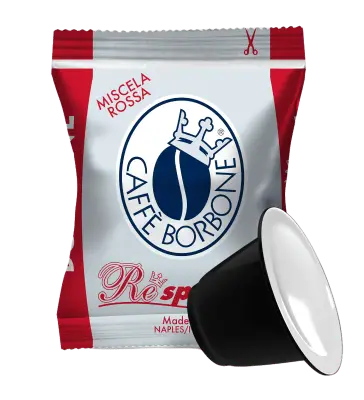 100 Capsules BORBONE Respresso RED Blend Nespresso Compatible
21,90 €


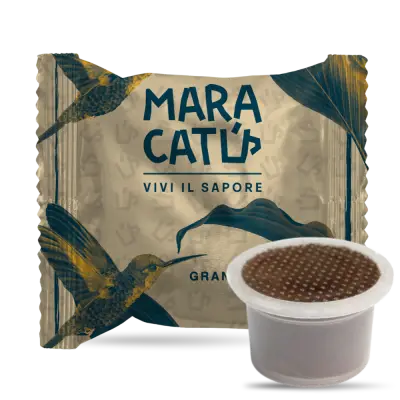 100 Maracatú Coffee Capsules Gran Crema Uno System Compatible
19,90 €
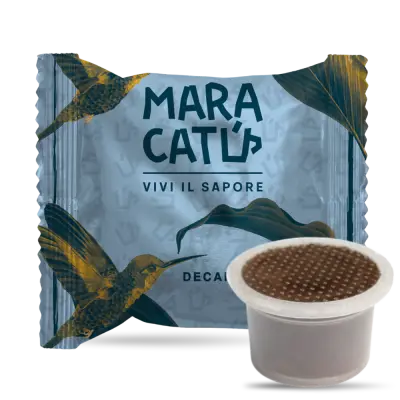 100 Capsules Maracatú Decaffeinated Uno System Compatible
23,90 €

More on this topic
More

Coffee Capsules Guide: How to Choose Your Perfect Taste
Read article


5 myths about capsule coffee
Read article
How to properly store coffee and coffee capsules: expert advice
Read article

How to descale your coffee machine: a practical guide from over 15 years in coffee
Read article

Capsule systems compared: Nespresso, Dolce Gusto, A Modo Mio, ESE and Caffitaly — which to choose
Read article

Caffè Borbone: a guide to the Rossa, Nera, Blu, Oro and Dek blends
Read article
The coffee intensity scale: what the numbers on capsules really mean
Read article

Are you a reseller? Access the Maracatú B2B price list in just a few steps!
Read article

The origins of coffee: myths, legends and the road to the Italian cup
Read article
Coffee roasting: the levels, and how each one changes the cup
Read article
Espresso: how the Italian classic was born
Read article

Water and the taste of coffee: the ingredient nobody talks about
Read article