


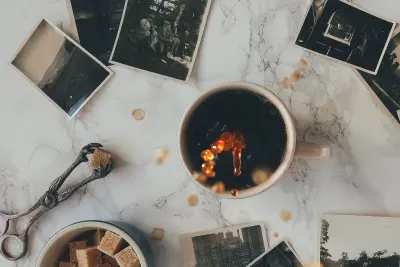
Coffee and photography: tips for photographing your cup at home
Photographing coffee: small details that make a difference
A steaming cup in the morning, the moka pot just taken off the stove, a cappuccino served with something sweet: coffee is at the centre of many small everyday moments that we like to capture.
It is not hard to see why it is such a popular subject. Its warm colours, the crema of an espresso, the foam of a cappuccino and the objects that go with the preparation make it possible to create pleasing images with just a few elements.
And the good news is that you do not need a professional camera to get a lovely shot. A smartphone, good light and a few small tricks are often enough.
Whether you want to share a photo on social media, keep the memory of a special breakfast or simply have fun experimenting, there are a few details that can make a difference.
In this guide we look at how to make the most of natural light, choose cups and backgrounds, show off the crema of an espresso and find the most suitable framing.
We will also see how a few objects can convey an atmosphere, turning a simple coffee break into a small scene worth photographing.
Light: why the window is often a good starting point
Light is one of the most important elements when we photograph coffee, because it affects the colours, the reflections and the mood of the image.
To begin with, one of the best spots in the house is often a table near a window.
Indirect natural light illuminates the cup gently, bringing out the nuances of the coffee without creating excessive contrast.
If the sun hits the table directly and produces shadows that are too harsh, you can try moving the cup slightly or using a light curtain to diffuse the light.
Another little trick is to place a white sheet of paper or a light piece of card on the side opposite the window. Its surface reflects some of the light towards the cup, making the shadowed areas less dark.
There is no need to buy a photographic reflector: for a few tests, a simple sheet of paper can be enough.
It is better, instead, to be careful with your smartphone's direct flash, which on the glossy surface of ceramic can create unflattering reflections.
Artificial light can work too, especially when we want to photograph coffee in the evening. In this case, though, it helps to check that the lamp does not make the colours too yellow or alter the tones of the drink too much.
The advice is simple: try photographing the same cup at different times of the day. You will discover how the mood changes even without altering anything in the composition.
Cup, saucer and background: simplicity and order
A beautiful coffee photograph does not depend only on the drink, but also on what surrounds it.
The cup, for example, can become an important element of the composition.
A white cup creates a pleasing contrast with the dark colour of the espresso and brings out the nuances of the crema.
A coloured or decorated cup, on the other hand, can give the shot more personality, especially if it matches the style of the background.
If you would like to find out more about the role of this small object, you can read our article on why the coffee cup matters.
In our accessories and cups department you will also find a range of ideas to accompany your coffee moment.
Before taking the photo, it is worth spending a few seconds tidying the scene.
A drop on the saucer, a mark on the rim of the cup or a teaspoon with a few stains can draw more attention than we imagine.
A soft cloth and a quick check before the shot help to achieve a tidier result.
The background also contributes to the mood of the photograph.
A wooden table can create a warm, familiar feeling, while a light, uniform surface highlights the shape of the cup more.
Linen placemats, trays and small ceramic items can add character without weighing down the composition.
The important thing is to make sure the background does not completely steal the attention from the star of the show: the coffee.
Crema and milk foam: the right moment to shoot
Anyone who loves photographing espresso knows one of its most characteristic details well: the crema that forms on the surface after extraction.
Its shades, which can range from hazelnut to a deeper brown, create interesting play of colour, especially when lit from the side.
The crema, however, changes appearance in the minutes after preparation. For this reason, if you want to photograph a freshly extracted espresso, it is a good idea to organise the scene in advance.
Prepare the cup, choose the framing and position your smartphone before pouring the coffee. That way you can shoot straight away, while the surface still has the characteristics you want to capture.
If you are curious about how the crema forms and what happens during extraction, you can read more in our guide to the chemistry of coffee.
The cappuccino also offers plenty of photographic possibilities.
The milk foam creates a soft, luminous surface, while latte art lets you add small designs, such as hearts or leaves.
To show them off, you can try photographing the cup from above, so that the design is clearly visible.
You do not need to be able to make elaborate decorations, though: even a cappuccino with an even foam can make a lovely subject, especially in a carefully arranged composition.
If you would like to try making one yourself, you can read our guide on how to froth milk for cappuccino at home.
One last tip: take several photos, changing the angle slightly. Sometimes moving your smartphone just a few centimetres is enough to get a better reflection or to bring out the surface of the drink.
Telling the story of coffee with a few objects
A photograph can simply show a cup, but it can also tell the story of the moment around it.
A few carefully chosen objects are enough to turn a shot into a little story.
A few coffee beans next to the cup, for example, recall the raw ingredient and add an interesting detail to the composition. In our whole bean and ground coffee department you will find several blends to discover.
The moka pot is another particularly recognisable subject: its shape immediately evokes coffee made at home and can be the star of a photograph with a familiar mood.
If you love this brewing method, you can explore the range from the brand Bialetti.
A biscuit, a slice of cake or a few chocolates can also complete the scene, suggesting breakfast or an afternoon break.
In our delights and sugar department you will find several specialities to enjoy with coffee.
Another possibility is to include a human gesture in the photograph.
A hand lifting the cup, pouring coffee from the moka pot or gently stirring the espresso can make the image feel more spontaneous and say something about the moment.
If you are photographing on your own, you can also rest your smartphone on a stable support and use the self-timer.
In general, it is better to start with a few elements and add others only when the composition really needs them.
A cup, a teaspoon and a small cake can be enough to create an interesting photograph, without needlessly filling the whole scene.
Framing and smartphone: final tips
Once the scene is ready, it is time to choose the position to photograph from.
The framing can completely change the look of the coffee, even when the objects stay in exactly the same place.
The overhead shot is particularly suitable when we want to show the crema of an espresso, a latte art design or a composition with cup, saucer and sweets.
The side view, on the other hand, brings out the shape of the cup and can work very well when we want to show hands, the moka pot or other elements of the scene.
If you are photographing a drink served in a clear glass, a slightly angled shot can also highlight any layers of milk and coffee.
With a smartphone, a simple but often overlooked step is to clean the lens before shooting. Fingerprints can reduce sharpness and create halos, especially when there are bright spots in the scene.
You can also tap the screen at the point you want in focus, for example the rim of the cup or the surface of the cappuccino.
If the image looks too bright or too dark, many smartphones let you adjust the exposure quickly from the camera screen.
It is also better not to use the digital zoom too much, which on some devices can reduce image quality. When possible, try moving physically closer to the subject.
After the shot, small touches can be enough to improve the result: a crop to remove distracting elements, a slight adjustment of brightness or a colour correction.
There is no need to apply very strong filters. Often, especially in coffee photographs, keeping the colours natural shows off the drink better.
And if other people appear in the photograph, remember to ask for their consent before sharing the image.
After all, photographing coffee is above all a way of looking more closely at an everyday moment.
Good light, a clean cup, a few objects and a little curiosity are already an excellent starting point for creating pleasing photographs, even without professional equipment.
If you are looking for new cups, accessories or blends to go with your coffee breaks, contact us: the Maracatú team is always happy to help you choose.
Popular products
All products
More


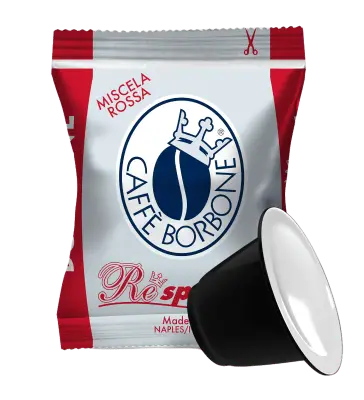 100 Capsules BORBONE Respresso RED Blend Nespresso Compatible
21,90 €


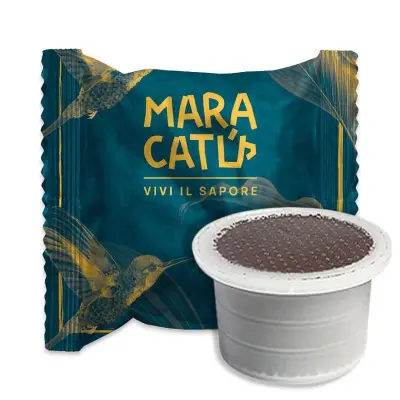 100 Maracatú Coffee Capsules Gran Crema Uno System Compatible
19,90 €
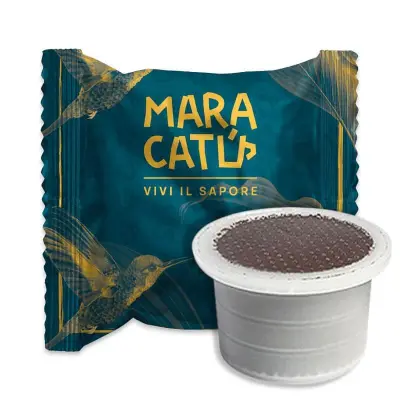 100 Capsules Maracatú Decaffeinated Uno System Compatible
23,90 €
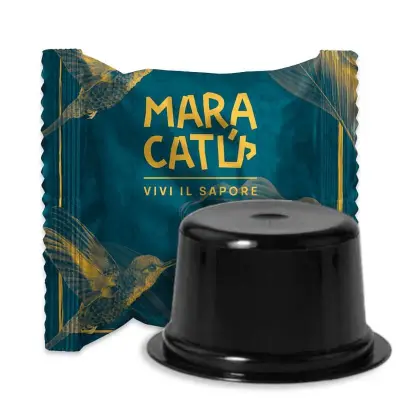 80 Maracatú Coffee Capsules Gran Crema Lavazza Blue In Black Compatible
18,90 €



More on this topic
More
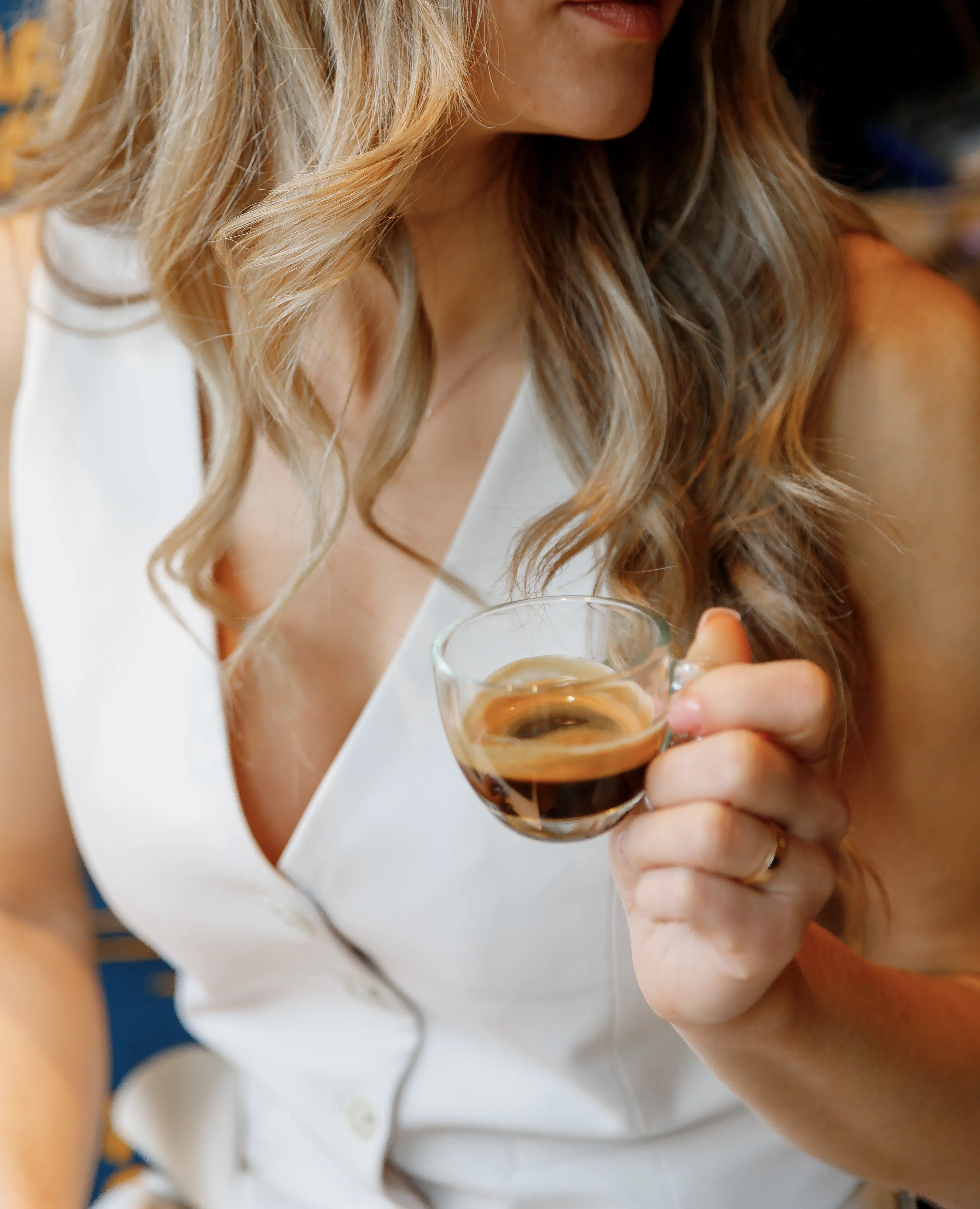
Coffee Capsules Guide: How to Choose Your Perfect Taste
Read article


5 myths about capsule coffee
Read article
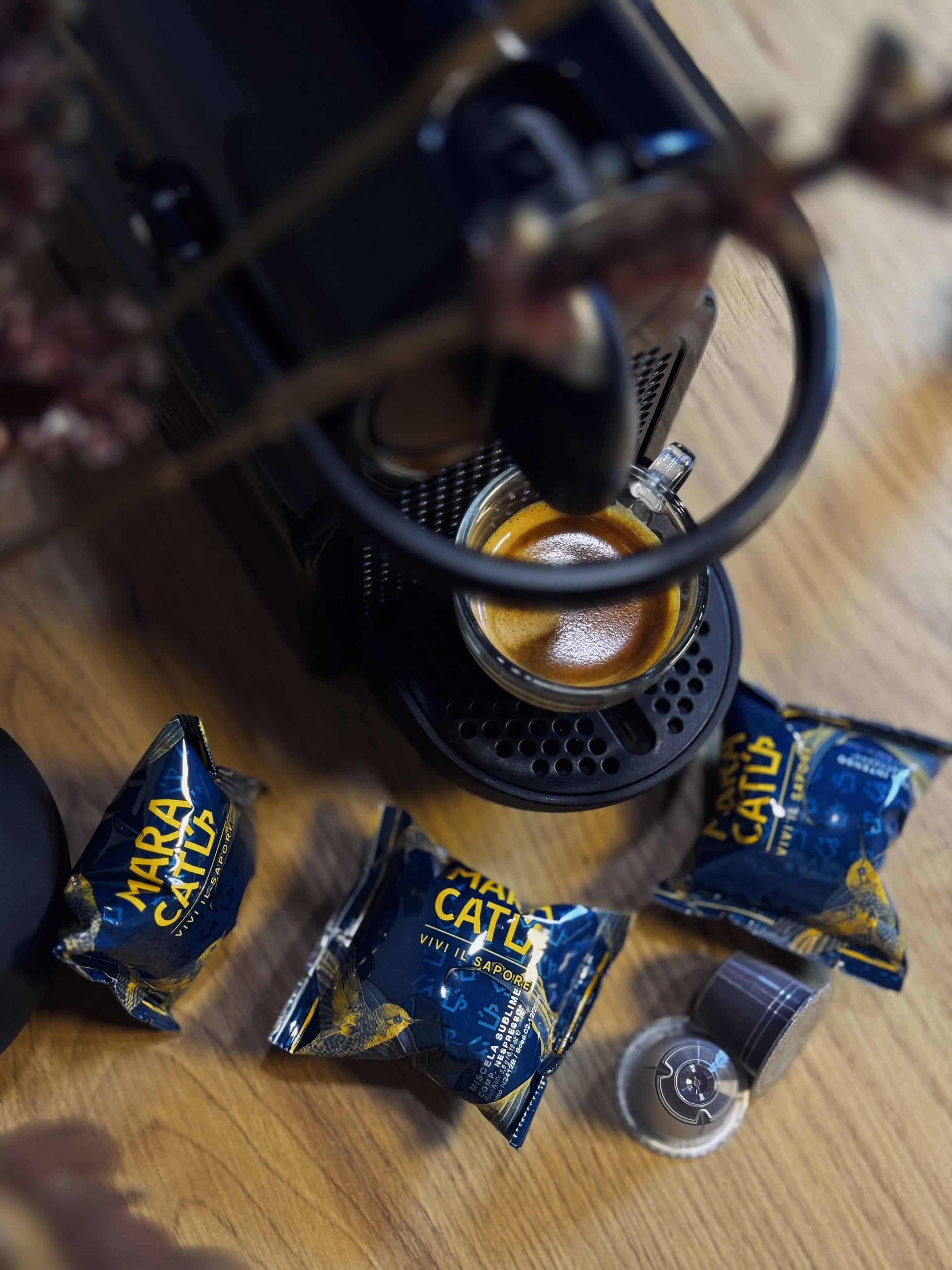
How to properly store coffee and coffee capsules: expert advice
Read article

Are you a reseller? Access the Maracatú B2B price list in just a few steps!
Read article

Capsule systems compared: Nespresso, Dolce Gusto, A Modo Mio, ESE and Caffitaly — which to choose
Read article

How to descale your coffee machine: a practical guide from over 15 years in coffee
Read article

Caffè Borbone: a guide to the Rossa, Nera, Blu, Oro and Dek blends
Read article

The coffee intensity scale: what the numbers on capsules really mean
Read article
The origins of coffee: myths, legends and the road to the Italian cup
Read article
Coffee roasting: the levels, and how each one changes the cup
Read article
Espresso: how the Italian classic was born
Read article
Water and the taste of coffee: the ingredient nobody talks about
Read article